“content_html”: “
Certified Used Cars Under 30k: Battery Quality Before Export
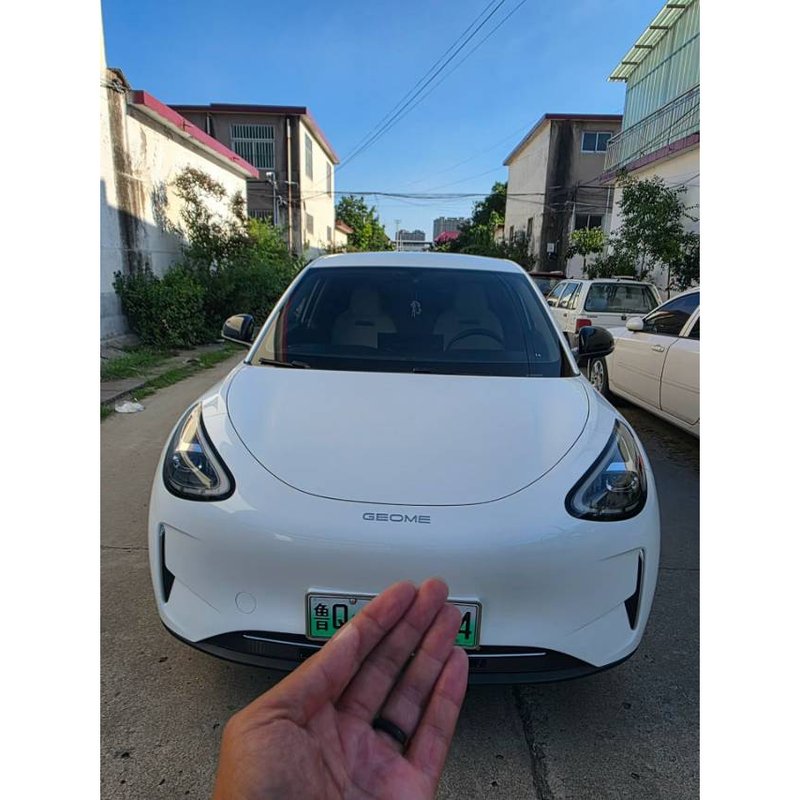
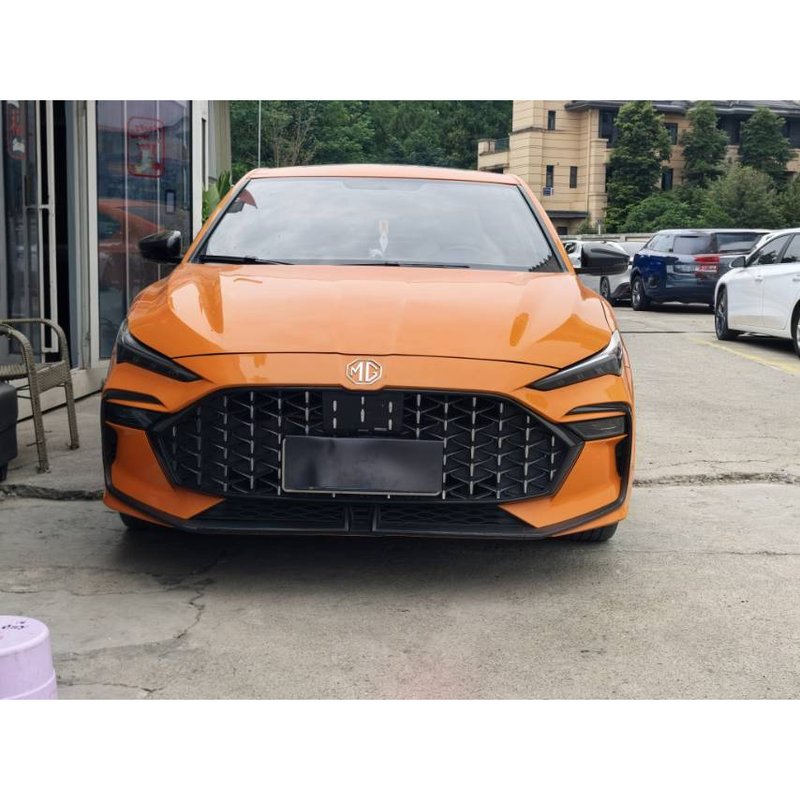
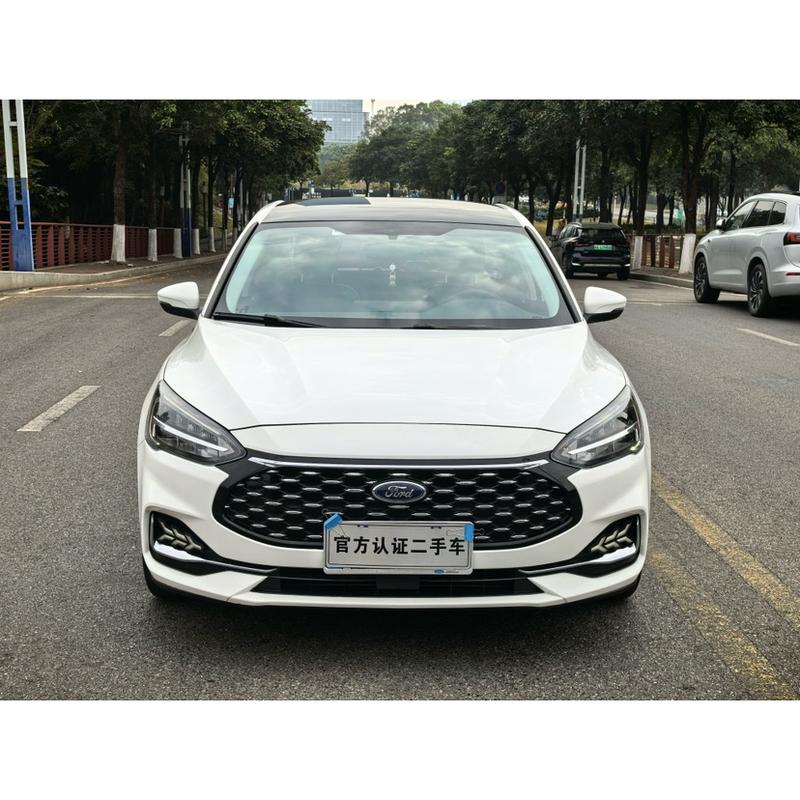
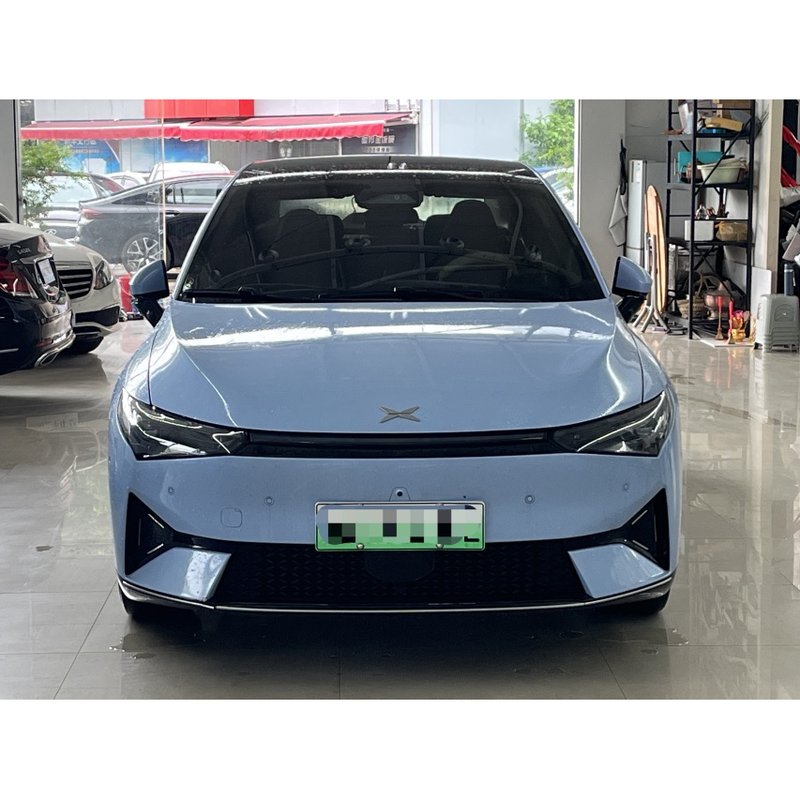
Buying certified used cars under 30k directly from China can give international dealers access to competitively priced electric vehicles, including models with modern driver assistance systems, practical driving ranges and well equipped interiors. However, the purchase price alone does not determine whether a used electric vehicle represents a sound investment. From a battery engineering perspective, the condition of the high voltage battery is one of the most important factors affecting vehicle value, operating costs and customer satisfaction. A vehicle may have an attractive exterior and a clean service history while concealing significant battery degradation or charging faults.
Before an electric vehicle leaves China, a professional export inspection should therefore assess its battery condition through diagnostic data, controlled testing and physical safety checks. The objective is to establish the battery’s present performance, identify defects and provide the overseas buyer with evidence that supports the purchase decision. A credible certification process should document the inspection methods, measured results, known limitations and any repairs completed. This information helps importers compare vehicles on technical condition rather than relying exclusively on age, mileage or the seller’s description.
Battery Health Assessment and Remaining Capacity
Battery health is commonly expressed as state of health, or SOH, which compares the battery’s estimated usable capacity with an appropriate reference capacity for a new battery. For example, a reported SOH of 90 per cent suggests that approximately 90 per cent of the reference capacity remains, provided the measurement method and reference values are reliable. The figure must not be confused with state of charge, which indicates how much energy is currently available. An electric vehicle displaying a full battery can still have substantially reduced long term capacity.
During pre export inspection, engineers retrieve battery management system data using compatible diagnostic equipment. They examine reported SOH, accumulated charging and discharging history where available, recorded fault codes, cell voltage differences, battery temperatures and relevant protection events. Where equipment and test conditions permit, measured energy consumption during a controlled discharge provides additional evidence of usable capacity. Results should be interpreted alongside battery chemistry, vehicle model, mileage, temperature and previous usage. Diagnostic estimates alone are not a guarantee of actual driving range, so a professional report should explain how capacity was assessed and distinguish measured values from manufacturer estimates.
Charging Performance and Electrical System Testing
Charging performance is another essential part of electric vehicle battery certification. An inspection should verify that the vehicle can communicate correctly with compatible charging equipment, initiate charging and maintain a stable connection without unexpected interruptions. Engineers should check the charging inlet, connector condition, locking mechanism, relevant cables and charging related fault codes. Where suitable equipment is available, an AC charging test can confirm normal operation of the onboard charger, while a compatible DC fast charging test can assess the high voltage charging pathway and the battery management system’s response.
Charging power must be assessed in context. A battery approaching full charge will normally accept less power than one at a lower state of charge, and cold or excessively hot conditions can restrict charging rates. Vehicle software, charger output and battery temperature also influence the result. Engineers should record the state of charge at the start and end of testing, ambient conditions, charging duration and observed power where measurable. Abnormally slow charging, repeated interruptions, excessive temperature increases or persistent cell voltage imbalance warrant further investigation. These checks help overseas dealers distinguish normal charging behaviour from faults that could lead to expensive warranty claims.
High Voltage Safety Inspection Before Shipment
Battery safety testing must address both electrical integrity and signs of physical damage. Inspectors examine the battery enclosure, mounting points, underbody protection and accessible high voltage components for impact marks, corrosion, fluid contamination, damaged wiring or evidence of unauthorised repairs. Diagnostic checks should cover relevant battery management system alerts, insulation monitoring faults, contactor operation and other available safety indicators. Where a concern is identified, qualified technicians should follow the manufacturer’s procedures rather than dismantling a sealed battery pack without appropriate training and equipment.
Thermal management deserves particular attention because many traction batteries depend on liquid or air based systems to maintain suitable operating temperatures. Inspectors should look for coolant leaks, damaged hoses, abnormal temperature readings and relevant cooling system faults. Evidence of flooding, fire exposure, severe underbody impact or repeated high temperature warnings should trigger a more detailed engineering assessment. A battery that appears intact externally may still contain internal damage, so visual inspection cannot establish safety on its own. Any vehicle with unresolved high voltage safety faults should be withheld from export until a qualified assessment and necessary repairs have been completed.
Long Term Reliability and Export Documentation
Battery reliability depends on more than a single health percentage. Previous charging habits, prolonged storage at very high or very low charge levels, frequent operation at elevated temperatures and the quality of thermal management can influence degradation. Engineers should review available service records and battery fault history, paying attention to recurring errors, unexplained capacity changes and evidence of previous pack replacement. Comparing cell voltages and temperatures under appropriate operating conditions can help identify irregularities that merit further testing. Nevertheless, a short inspection cannot predict the exact remaining service life of a battery, and certification should never be presented as a guarantee against future failure.
For international buyers sourcing certified used cars under 30k, a detailed battery report should accompany the vehicle’s inspection record and export documentation. It should identify the vehicle and battery where possible, state the test date and conditions, describe the diagnostic equipment and methods used, and report SOH, measured capacity where available, charging results and outstanding faults. Buyers should also confirm battery warranty transferability, software compatibility, parts availability and access to qualified repair facilities in the destination market. At Guangzhou Nansha Port, export preparation should include appropriate handling of the vehicle, secure transport arrangements and compliance with applicable shipping requirements for electric vehicles. Transparent engineering evidence gives importers a clearer basis for pricing, stock selection and after sales planning, helping reliable electric vehicles reach overseas customers with fewer avoidable surprises.
“,
“tags”: [
“used EV export”,
“battery health”,
“certified used cars”,
“China car export”,
“EV battery testing”
]
}