“content_html”: “
EV Certified Pre Owned Partnerships and Chinese Vehicle Export Standards
Partnerships between international dealers and Chinese vehicle exporters are creating new opportunities in the electric vehicle market. Chinese manufacturers offer a broad selection of electric cars, from compact urban models to premium saloons and practical sport utility vehicles. For overseas dealers, sourcing suitable used electric vehicles requires more than competitive pricing. Each vehicle must meet agreed standards for safety, mechanical condition, battery performance and documentation before shipment. As a vehicle inspection engineer working with a Chinese used car export company, I regard a structured ev certified pre owned programme as a practical framework for establishing consistent quality and building confidence between trading partners.
A successful partnership begins with a clearly defined inspection protocol. Exporters and overseas buyers should agree on acceptable battery degradation, accident damage, mileage discrepancies, charging performance and cosmetic condition. These requirements must reflect the destination market, local regulations and the expectations of the intended customer. Inspection records should include the vehicle identification number, model year, service history, diagnostic results and photographs. This approach allows buyers to assess individual vehicles before committing to shipment and reduces disagreements after delivery.
Mechanical Inspection and Transmission Performance
Although electric vehicles have fewer moving parts than conventional petrol or diesel cars, their mechanical condition still requires careful examination. For vehicles fitted with internal combustion engines, including plug in hybrids, inspectors check for oil leaks, abnormal engine noise, coolant contamination, exhaust issues and signs of neglected maintenance. Fluid levels, engine starting behaviour and diagnostic trouble codes are recorded. Pure battery electric vehicles do not have conventional engines, so their inspection focuses instead on electric drive motors, reduction gears, cooling circuits and associated electrical systems.
Transmission assessment depends on the vehicle’s powertrain design. Many battery electric vehicles use a single speed reduction gearbox rather than a traditional multi gear transmission. During a controlled road test, the inspector evaluates acceleration, deceleration, gear noise where applicable, vibration and unusual mechanical resistance. Hybrid vehicles require additional checks of their automatic transmission or dedicated hybrid drive system. The inspection also covers suspension components, steering response, braking performance, tyres and wheel alignment indicators. Any abnormal sound or warning message should be investigated before the vehicle receives export approval.
Battery Health Assessment for Used Electric Vehicles
The traction battery is often the most financially significant component of a used electric vehicle, making battery health assessment central to an ev certified pre owned partnership. Inspectors retrieve available battery management system data using compatible diagnostic equipment. Depending on the model, this may reveal state of health, state of charge, cell voltage differences, temperature readings, stored faults and charging history. Battery state of health estimates remaining usable capacity relative to the manufacturer’s reference condition, although calculation methods vary between brands and diagnostic platforms.
Diagnostic readings should be interpreted alongside practical tests rather than treated as an absolute guarantee. Where appropriate, the inspection team checks AC and DC charging operation, monitors battery temperature behaviour and investigates warning codes relating to insulation resistance or cell imbalance. The battery casing, underbody protection, high voltage cables and cooling connections are examined for impact damage, leakage or unauthorised repairs. A battery health report should identify the test method, recorded results and any limitations. Buyers can then set model specific acceptance thresholds and make informed decisions about pricing, warranty coverage and expected service life.
Accident History, Mileage Verification and Exterior Condition
Accident history checks combine document review, electronic records where available and a physical examination. Inspectors compare vehicle identification numbers on the body, identification plates and registration documents, then examine structural areas for distortion, uneven welds, repair marks and inconsistent panel gaps. Paint thickness measurements can help identify refinished panels, while inspections of chassis rails, pillars, airbags and seat belt pretensioners may reveal previous collision damage. A clean electronic scan does not prove that a vehicle has never been involved in an accident, so findings must be assessed using several sources of evidence.
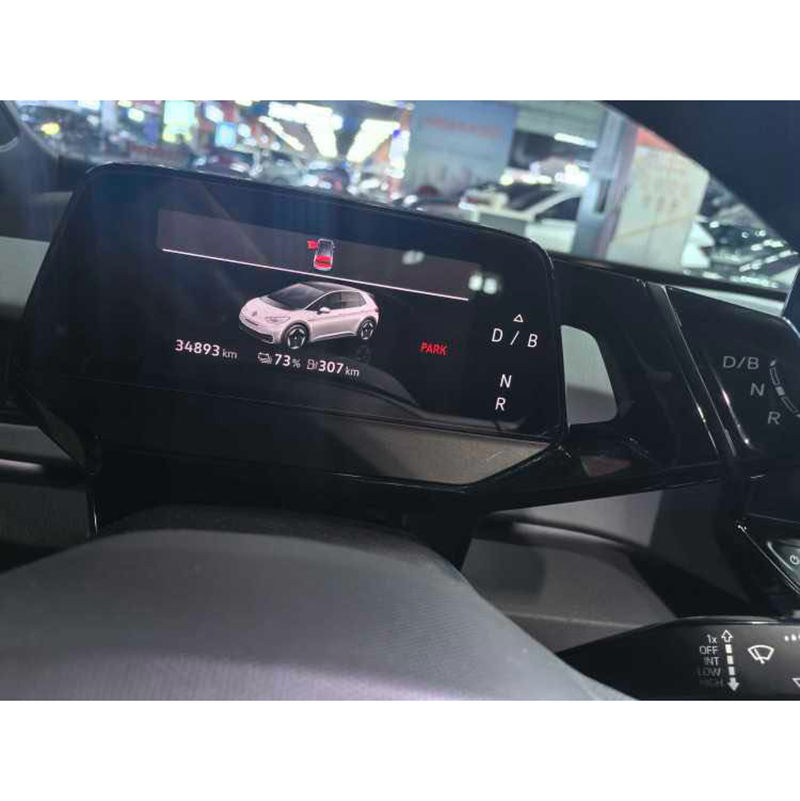
Mileage verification is equally important for export transparency. The displayed odometer reading is compared with service invoices, maintenance records, inspection documents and electronic mileage data where accessible. Inconsistencies are documented rather than dismissed, particularly if recorded distances decrease between service events. Exterior inspection covers paint condition, dents, scratches, corrosion, glass, lamps, mirrors, tyres and wheel damage. Photographs should capture every side of the vehicle, the dashboard reading, the VIN and any significant defects. A graded condition report enables overseas dealers to distinguish retail ready stock from vehicles requiring repairs or cosmetic preparation.
Export Documentation and Long Term Dealer Partnerships
Inspection results become commercially valuable when they are linked to a transparent export process. Chinese exporters should maintain a vehicle specific quality file containing diagnostic reports, battery assessment results, mileage evidence, accident findings, photographs and a record of outstanding repairs. Before loading at Guangzhou Nansha Port or another suitable Chinese export port, staff should confirm that the inspected vehicle matches the shipping documents and that all agreed preparation work has been completed. Export eligibility, customs requirements, registration rules and battery transport conditions must also be checked for the destination country.
For international dealers, an ev certified pre owned partnership should establish clear responsibility for inspection standards, disclosure of defects, warranty arrangements and post arrival claims. Random secondary inspections and periodic reviews of delivered vehicles can help exporters identify recurring faults and improve preparation procedures. Reports should distinguish verified facts from estimates, especially for battery capacity, previous repairs and remaining component life. By combining engineering evidence with accurate documentation and consistent communication, Chinese vehicle exporters can supply used electric vehicles that overseas partners can evaluate with greater confidence, supporting repeat orders and sustainable growth in international automotive trade.
“,
“tags”: [“EV certified pre owned”, “Chinese EV exports”, “EV battery health”, “used car inspection”, “vehicle export quality”]
}