



Evaluating Volvo Cars Preowned
Finding Volvo cars preowned that meet high standards of quality and reliability requires a thorough understanding of various factors that impact their market value. Professional dealers utilise a comprehensive approach, considering brand reputation, model year, mileage, vehicle condition, configuration, maintenance history, and international demand. Each of these elements plays a significant role in determining the overall worth of a used Volvo.
The brand itself is synonymous with safety and durability, and a preowned Volvo retains a certain level of prestige that can influence its resale value. Models like the XC60 or V60 often have higher appreciation due to their desirable features and performance. For any dealer or buyer, having a keen eye on the specific model’s reputation in the market is essential.
Mileage and Condition Assessment
Mileage is one of the most critical indicators of a vehicle’s potential lifespan and overall condition. A well-maintained Volvo with moderate mileage can command a better price than one with higher mileage, even if both are of the same age. Dealers will typically look at service records, which provide insight into how the vehicle has been cared for throughout its life. A history of regular maintenance can significantly boost a car’s value.
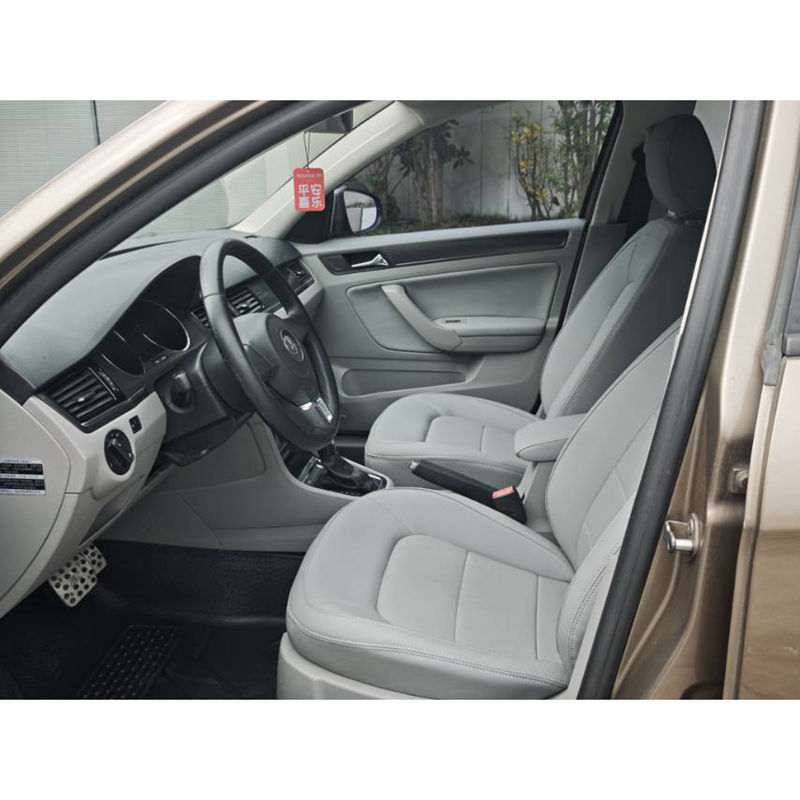
The physical condition of the vehicle speaks volumes as well. Scratches, dents, and interior wear can detract from a preowned Volvo’s appeal. A thorough inspection is vital; professional dealers conduct detailed assessments to ensure that every aspect, from the engine to the tyres, is in good working order. Any signs of neglect can lead to a price drop, while a well-preserved vehicle can command a premium.
The Role of Configuration and Features
The configuration of a used Volvo, including its specifications and additional features, can greatly influence its desirability. Higher trim levels often include more advanced technology, luxury finishes, and enhanced safety features, all of which appeal to potential buyers. Therefore, a preowned Volvo with top-tier features may be valued much higher than a base model. Dealers pay close attention to these specifications during the appraisal process.
Moreover, optional packages that enhance functionality or aesthetics can also impact pricing. Features like all-wheel drive, upgraded audio systems, and advanced driver-assistance systems can add to the car’s appeal. Buyers are often willing to pay more for these extras, recognising their value in enhancing the driving experience.

Market Trends and International Demand
The global demand for used vehicles also plays a critical role in setting the value of Volvo cars preowned. Trends in consumer preferences can shift based on various factors such as fuel prices, environmental concerns, and economic conditions. For instance, there might be an increased interest in electric vehicles, influencing the resale value of hybrid and electric Volvos. Understanding the current market trends allows dealers to offer competitive pricing that reflects the evolving landscape.
In addition, international demand can also elevate the worth of certain models. For example, if specific Volvo models are particularly sought after in markets like Europe or North America, this can increase their value in the local market due to export opportunities. Dealers often track these international trends to ensure they are offering prices that align with broader market conditions.
Warranty and Certification Benefits
When searching for Volvo cars preowned, it’s essential to look for vehicles that come with certified quality and warranty coverage. Certification often involves a rigorous inspection process, ensuring that the vehicle meets the manufacturer’s standards for quality. Such certifications provide peace of mind to buyers, knowing that they are investing in a reliable vehicle. Additionally, a warranty can protect against potential repair costs, further adding value to the purchase.
Dealers who offer certified preowned vehicles typically provide comprehensive inspections that help build trust with buyers. By ensuring that each car has undergone a thorough evaluation and meets strict criteria, dealers can justify higher pricing while reassuring customers of their purchase’s quality and reliability.