

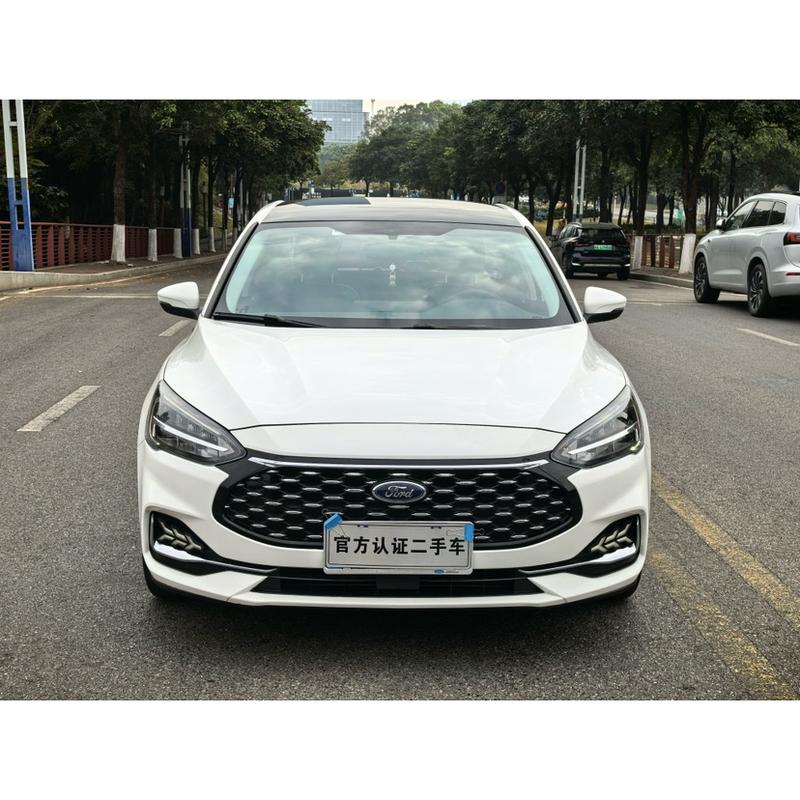
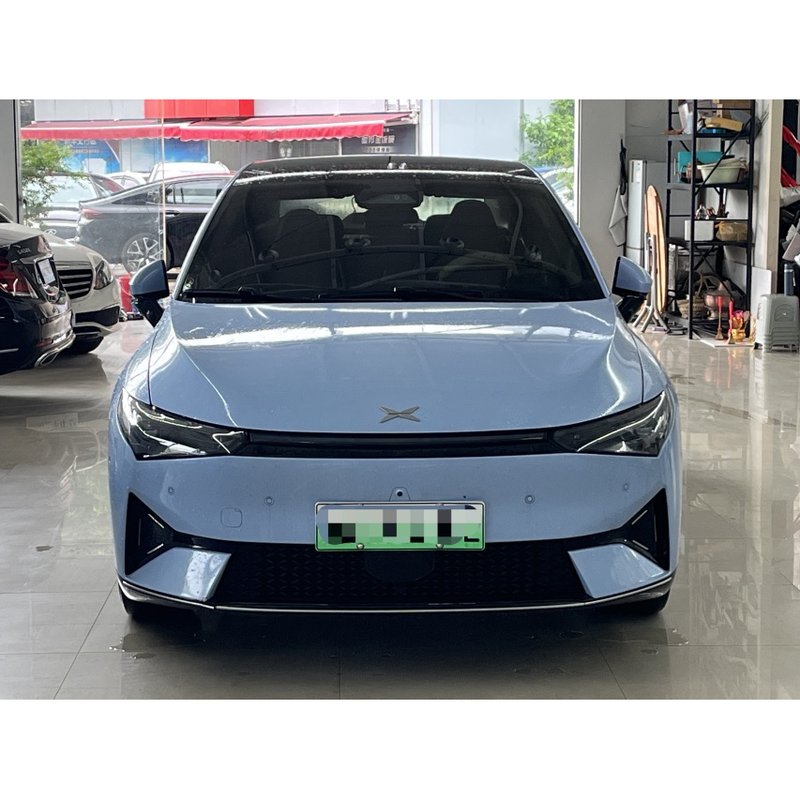
Identifying the Best Pre-Owned Car to Buy in 2025
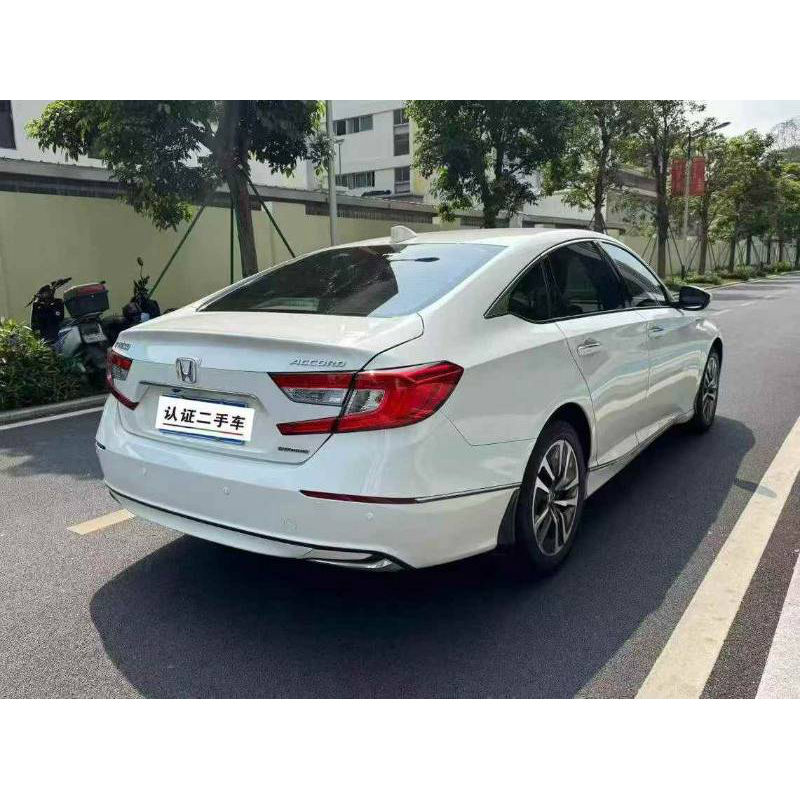
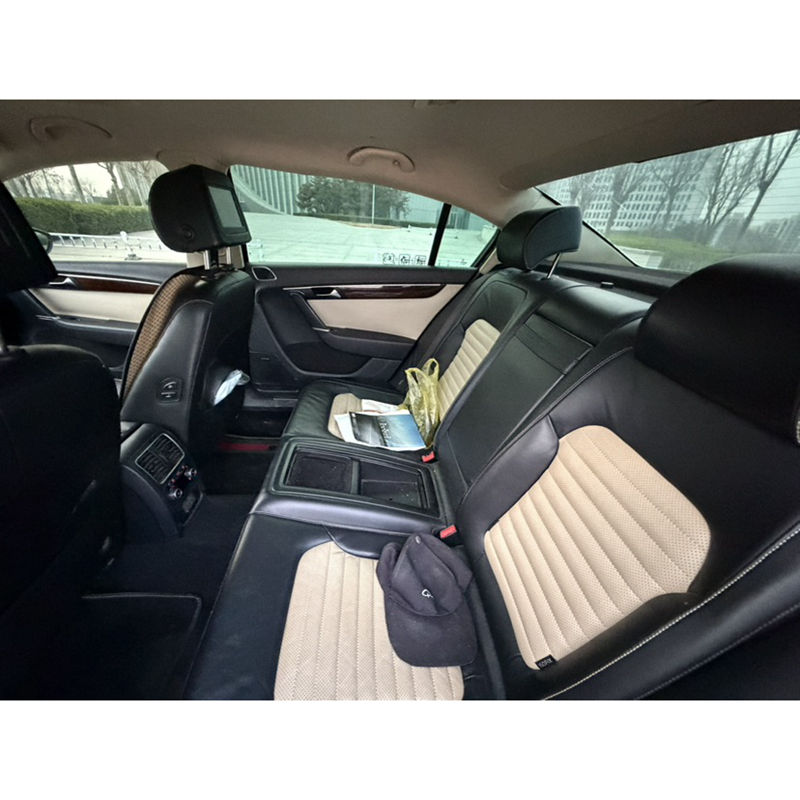
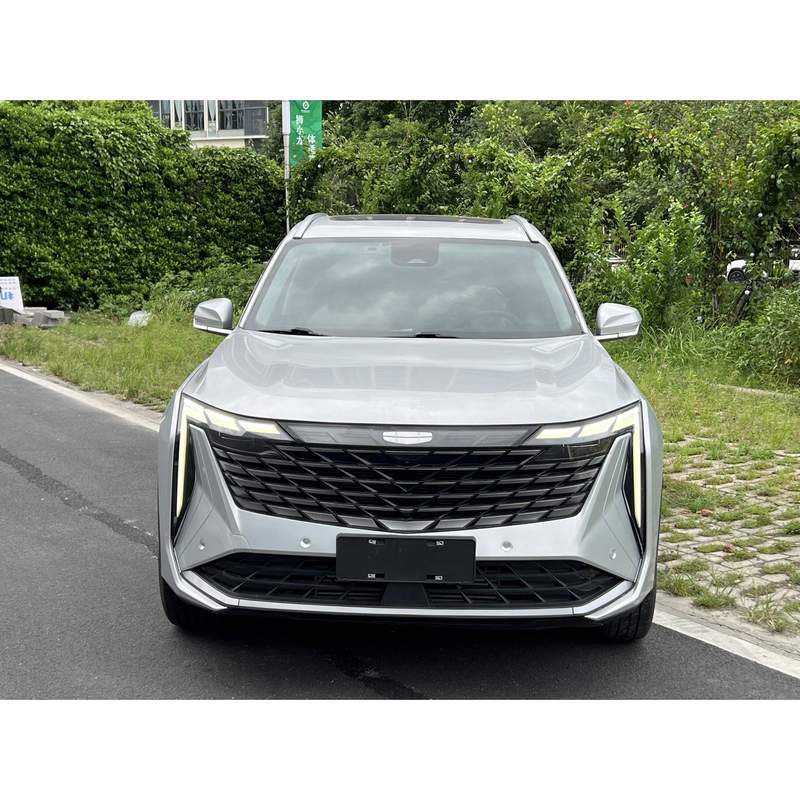
As the automotive market evolves, selecting the best pre-owned car to buy in 2025 requires a keen understanding of both vehicle performance and long-term value. Factors such as reliability, fuel efficiency, and maintenance costs play significant roles in making a sound investment. Brands known for their durability and resale value, such as Toyota and Honda, are often recommended for their lower depreciation rates. Additionally, electric models are gaining traction due to their efficiency and lower running costs, making them highly desirable in the pre-owned market.
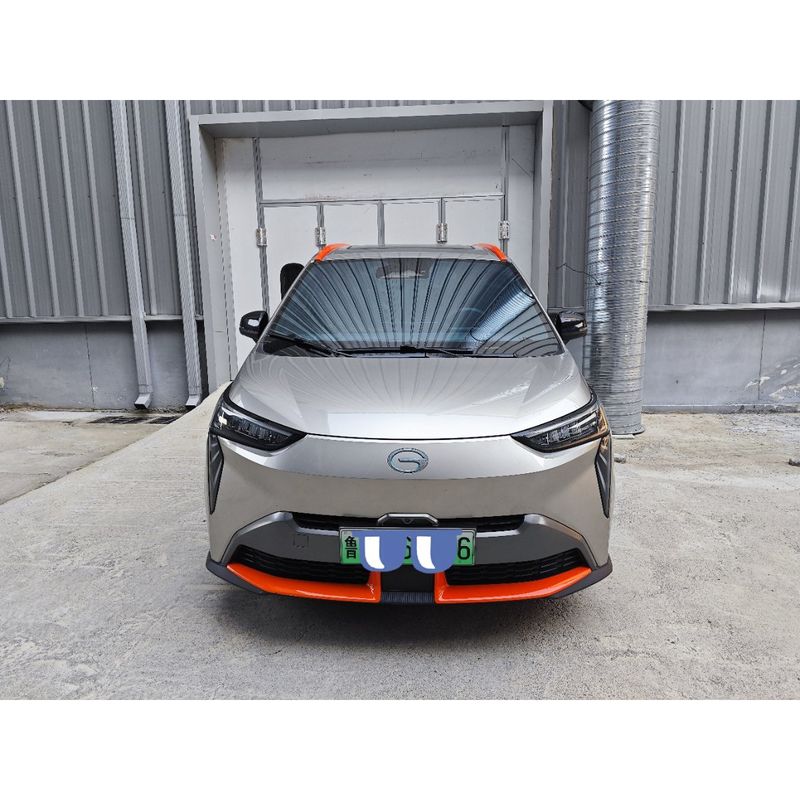
In 2025, electric vehicles (EVs) and hybrid models will likely dominate the best value category due to the increasing demand for sustainable transportation. Models such as the Tesla Model 3 and the Honda Insight are expected to provide excellent value, merging reliability with advanced technology. Understanding market trends will empower buyers to make informed decisions about their pre-owned vehicle purchases.
The Process of Exporting Used Cars From China
Exporting used cars from China constitutes a multifaceted process, beginning with obtaining a detailed quotation. A foreign trade export specialist will evaluate various factors such as vehicle condition, age, and model to provide accurate pricing. This step often involves liaising with dealerships or sellers to assess the vehicle’s market value, which is crucial in determining potential profits for buyers in foreign markets.
Once a suitable vehicle is identified and a quotation is accepted, the next step is order confirmation. At this stage, both the buyer and the seller must agree on the terms, including payment methods and delivery timelines. This agreement initiates the necessary documentation process, where compliance with both Chinese export laws and the import regulations of the destination country must be meticulously followed.
Documentation and Compliance Requirements
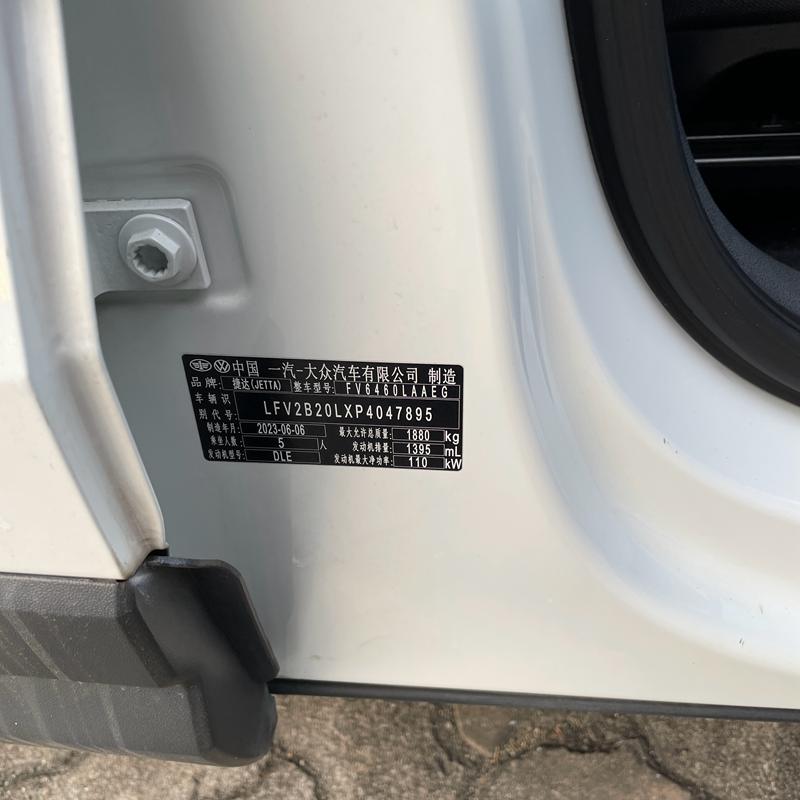
Documentation is critical in the vehicle export process. Required paperwork typically includes the vehicle’s title, import declaration, and customs clearance documents. Ensuring that all documents are properly filled out and submitted can significantly smooth the customs clearance process. In China, it’s essential to comply with the specific regulations set by the General Administration of Customs, which can vary based on the vehicle type and destination.
Additionally, obtaining a Vehicle Export Permit is often necessary, which verifies that the vehicle is in good condition and meets environmental standards. Proper documentation not only facilitates a smoother export process but also protects the buyer’s interests in the event of disputes or issues at customs.
Customs Clearance and Shipping Logistics
Customs clearance is a pivotal step in the exporting process, necessitating collaboration with a customs clearance specialist. This expert ensures that all necessary tariffs and taxes are paid, streamlining the process of getting the vehicle through customs. They play an essential role in identifying any potential issues that could arise during the clearance, which is critical for timely delivery.
Once cleared, the shipping phase commences. The logistics coordinator typically arranges for the vehicle to be transported to the port of shipment. This involves selecting between different shipping methods, such as container shipping or roll-on/roll-off (RoRo) services. Each method has its advantages and costs, influencing the overall pricing for the end buyer. Effective logistics management ensures that vehicles are securely transported, minimising potential damages during transit.
Delivery and Customer Service Considerations
After the vehicle has successfully arrived at its destination, it’s crucial to ensure that the delivery process meets customer expectations. This stage often involves inspection by the buyer or their representative to confirm that the pre-owned car meets the agreed-upon specifications. A dedicated customer service manager can enhance the experience by providing support throughout this phase, addressing any concerns or discrepancies that may arise.
Additionally, follow-up services such as assistance with registration and local compliance must be offered to ease the transition for the buyer. A well-structured delivery process fosters trust and encourages future business relationships, proving invaluable in the competitive used car export market.
Future Trends in Used Car Exports
The landscape of used car exports is shifting towards increased transparency and customer satisfaction. As technology continues to advance, digital platforms are emerging that enhance the buying experience, allowing potential buyers to view detailed vehicle inspections and histories online. These innovations benefit both buyers and sellers, facilitating a trust-based relationship.
Moreover, with the growing focus on sustainability, the demand for electric and hybrid vehicles is likely to increase in the pre-owned market. Export specialists must remain informed about these trends to effectively advise their clients on the best pre-owned cars to buy in 2025, aligning with consumer desires for both quality and environmental consciousness.