




Critical Questions about Engine Condition
The engine is the heart of any vehicle, and understanding its condition is essential when buying a certified used car. As a vehicle inspection engineer, I recommend asking about the last service history and specific repairs undertaken. Check whether the engine oil has been replaced regularly and if any unusual noises or leaks have been reported. You may also inquire about the engine’s compression test results, which provide insight into the internal workings and can indicate potential future problems. Furthermore, understanding the vehicle’s service record can reveal whether the car has been subject to routine maintenance or neglected, affecting its overall reliability.
It is also wise to question if any warning lights have appeared on the dashboard, as these can signal underlying issues. A thorough inspection, including a road test, can help assess the engine’s responsiveness and performance. A well-maintained engine will not only provide better fuel efficiency but also contribute to lower long-term ownership costs.
Assessing Transmission Performance
The transmission plays a significant role in how smoothly a vehicle operates, which is why you should ask about its performance history. Request information on whether the transmission fluid has been changed regularly and if any repairs have been made. Asking how the car responds during acceleration and deceleration can provide insights into the transmission’s overall health. Pay attention to any delays or jerky movements during gear changes, as these could indicate potential issues.
A comprehensive inspection should include testing the vehicle in various driving conditions to see how the transmission performs. If you’re considering an automatic transmission, ask if it has ever been replaced or rebuilt. This information can affect your decision significantly, as a new transmission can add considerable value to a used vehicle.
Battery Health and Electrical System
With the growing popularity of electric and hybrid vehicles, understanding battery health is vital. When purchasing a certified used car, inquire about the battery’s age and any previous replacements. Ask for the battery’s health report, which should indicate its capacity and efficiency. A well-functioning battery not only affects the vehicle’s performance but also has implications for the overall cost of ownership, particularly in electric vehicles.

In addition to the battery, it’s essential to assess the entire electrical system. Questions regarding the condition of the alternator, starter motor, and other components can prevent future headaches. A thorough electrical system inspection can reveal hidden issues that may not be immediately apparent but could lead to costly repairs down the line.
Accident History and Mileage Verification
When it comes to buying a certified used car, understanding its past is paramount. Request a detailed accident history report, which should outline any previous collisions and the extent of the damage. Asking whether repairs were completed using genuine parts can help ascertain the quality of the work done. A car that has been involved in an accident may not perform to standards if subpar repairs were undertaken.
Additionally, verifying the mileage is crucial. Inquire whether the odometer reading has ever been altered or if there have been any discrepancies. A high mileage vehicle may lead to earlier wear and tear, making it imperative to scrutinise this factor. Having access to service records that document mileage changes can provide peace of mind, ensuring that you’re making a sound investment.
Exterior and Interior Inspection
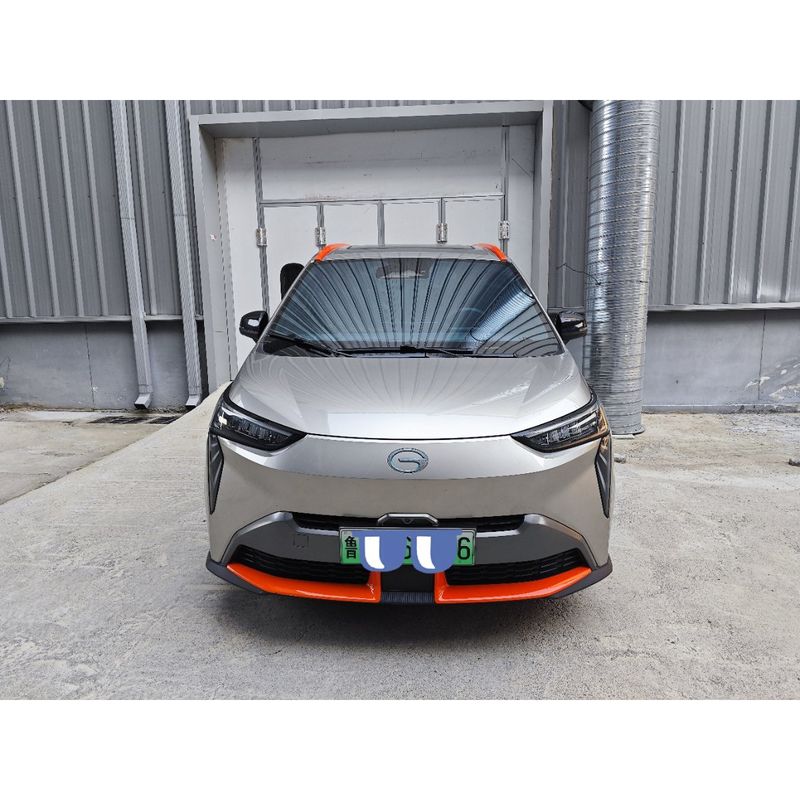
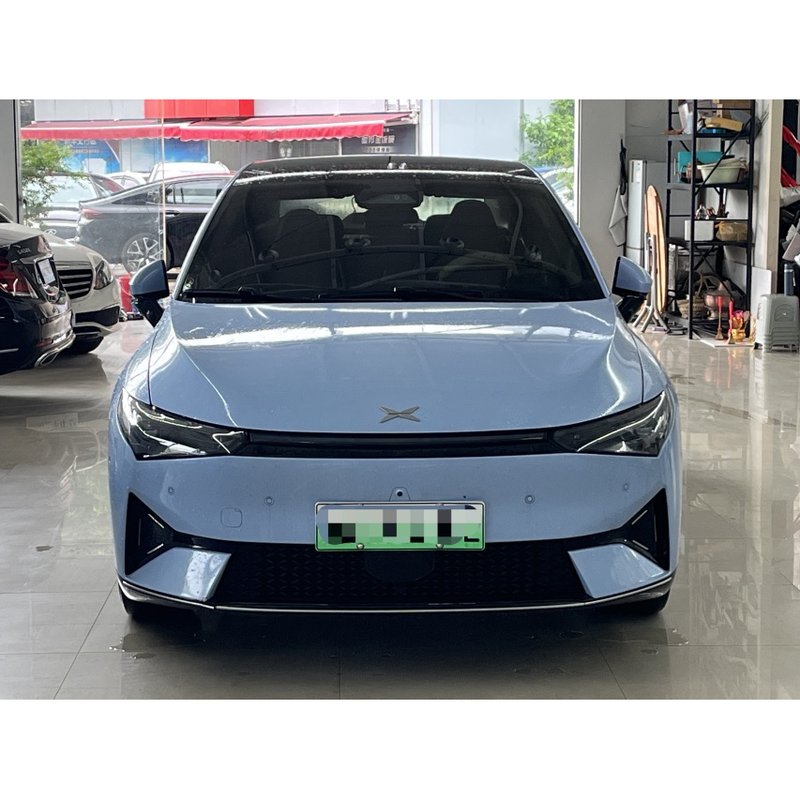
The exterior of the vehicle is the first thing that catches the eye, but it can also tell you a lot about the car’s care. Ask about the paint condition and if there are any signs of rust or corrosion. A thorough examination should include checking for consistent colour across the car, as mismatched paint may indicate previous repairs. Scrutinising the condition of the tyres, including tread depth and wear patterns, can also provide insights into the vehicle’s handling and alignment.
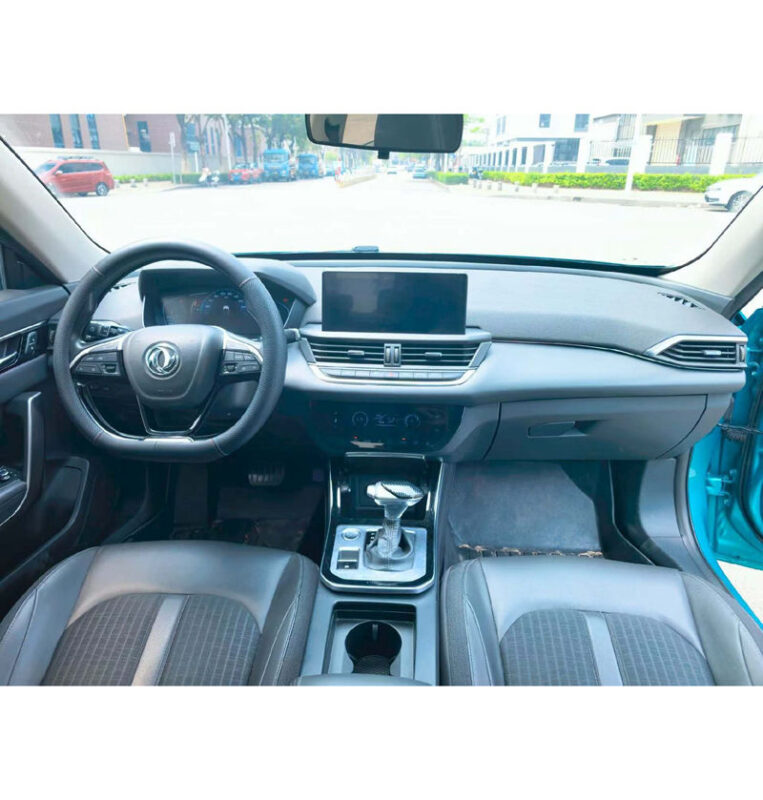
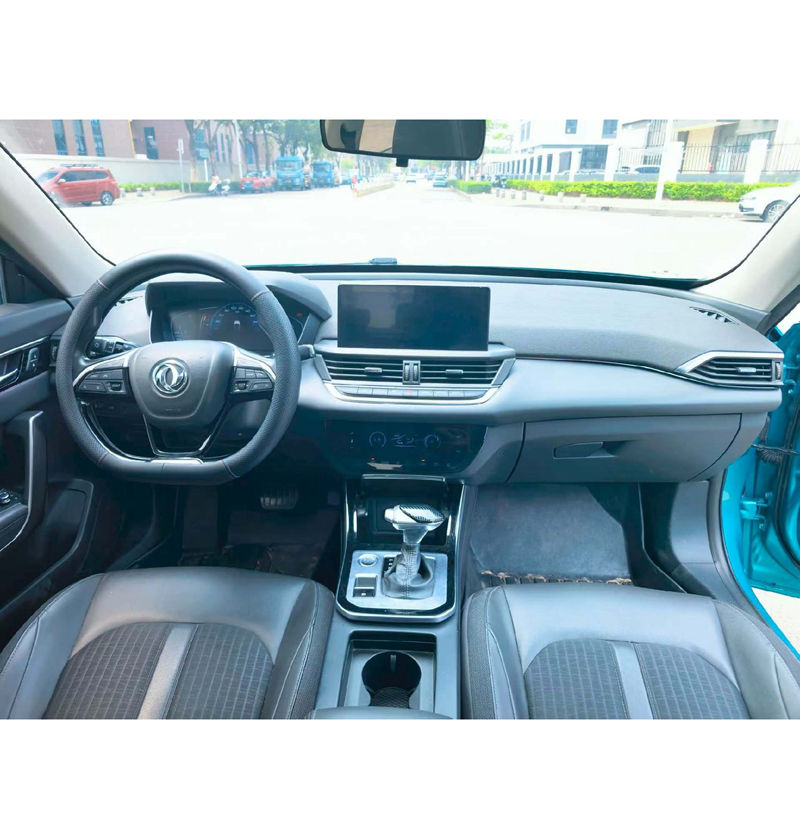
Equally important is the interior condition. Inquire about any previous upholstery repairs or damage, as well as the functionality of all electronic components such as the audio system and air conditioning. A vehicle in good condition will show minimal wear and tear, while a neglected one may have issues that could require significant investment for repairs.
Final Considerations Before Payment
Before finalising your purchase, ensure that all relevant documentation is in order, including the vehicle’s title and any warranties that may still be valid. It is wise to ask about the policies regarding returns or exchanges if you discover issues post-purchase. Engaging a professional for an independent inspection can also provide additional assurance, as they can uncover concerns that may not be immediately visible.
Asking the right questions can make all the difference in ensuring you secure a reliable certified used car. By focusing on engine condition, transmission performance, battery health, accident history, and detailed inspections, you can make an informed decision that aligns with your expectations and budget.


