


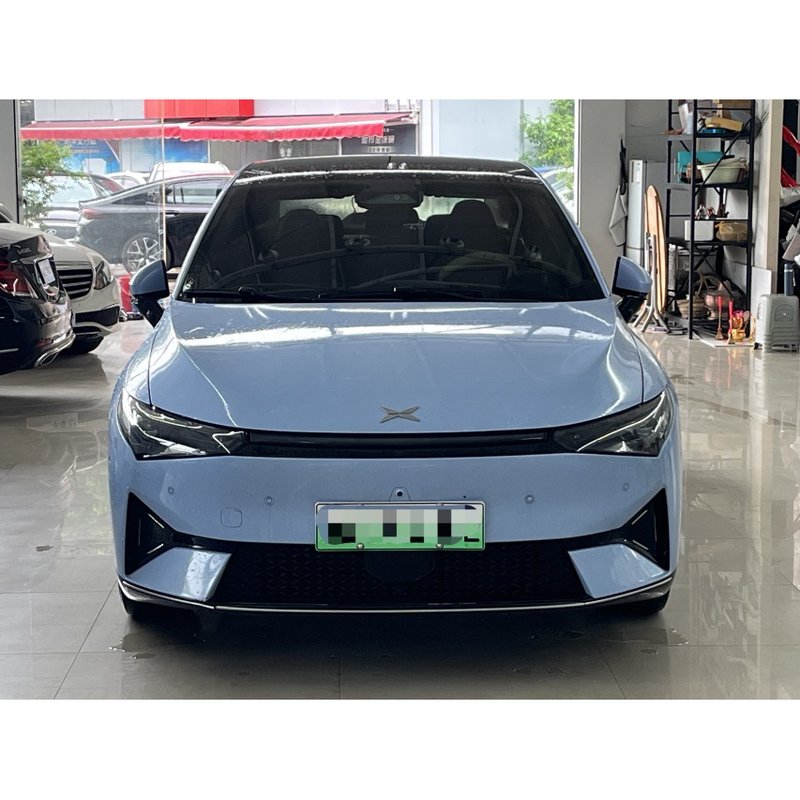
Defining Pre-Owned Vehicles for Car Buyers
The term ‘pre-owned vehicles’ refers to cars that have had previous owners before being available for sale again. This category includes a wide variety of vehicles, from those that have been lightly used to those that may have seen significant wear and tear. Understanding the meaning behind pre-owned vehicles is essential for car buyers, particularly for those considering international export from China. The key to a successful transaction lies in the quality of the vehicle, which can significantly vary based on condition, maintenance history, and market demand.
Establishing Quality Standards
As an automotive quality control manager, my role involves setting stringent quality standards for pre-owned vehicles. When selecting cars for export, a rigorous inspection process is vital to ensure that the vehicles meet not only company standards but also the expectations of international buyers. The first step in this process is a comprehensive visual inspection, where we check for any signs of damage, rust, or poor paintwork that could affect the vehicle’s resale value or functionality.
Following the visual assessment, a mechanical inspection must be conducted to evaluate the engine performance, braking systems, suspension, and electrical components. Each vehicle undergoes diagnostic testing, utilising advanced technology to identify any hidden issues. The importance of these standards cannot be overstated, as they help prevent the sale of vehicles that do not meet safety or operational requirements.
Inspection Processes for Pre-Owned Vehicles
The inspection process for pre-owned vehicles involves multiple stages, beginning with documentation verification. It is essential to ensure that the vehicle’s history report is accurate, detailing previous ownership, accidents, and maintenance records. This information provides insight into the vehicle’s past and can influence the decision to purchase. Following documentation checks, the vehicle is subjected to a multi-point inspection, which includes checking the body, interior, tires, and undercarriage for any discrepancies.
Once the initial inspections are complete, a test drive is carried out to assess the vehicle’s handling, brakes, and overall performance. This practical evaluation helps identify any operational issues that may not be apparent during stationary checks. After all inspections are finalised, a detailed report is compiled, highlighting any areas of concern. This transparency is crucial for building trust with international buyers, as they rely on accurate information to make informed decisions.
Evaluation Criteria in Quality Control
Evaluation criteria for pre-owned vehicles are critical in determining which cars are suitable for export. Several factors come into play, including the vehicle’s age, mileage, overall condition, and maintenance history. Vehicles that have been regularly serviced and show minimal signs of wear are preferred, as they are more likely to perform reliably after purchase.
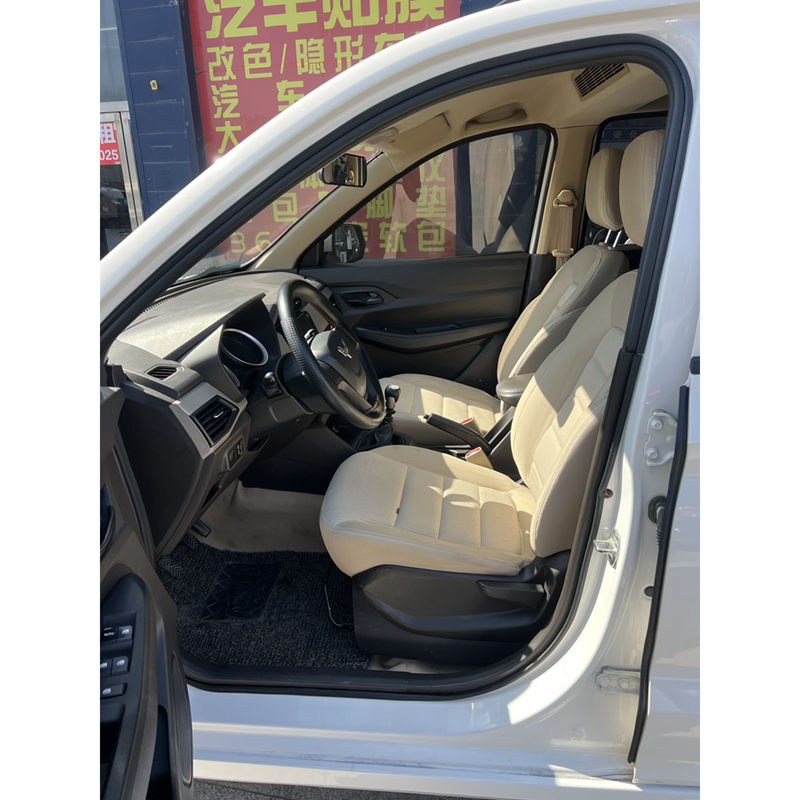
Additionally, buyer preferences in specific markets can influence evaluation criteria. For instance, some regions may favour smaller, fuel-efficient cars, while others may demand larger vehicles or SUVs. Understanding these market preferences can significantly affect the sales potential of pre-owned vehicles, making it essential to tailor the selection process to meet these needs.
Rejection Standards for Unfit Vehicles
Moreover, vehicles that have significant cosmetic damage, such as extensive rust or structural corrosion, may also be rejected. These factors not only diminish the vehicle’s appeal but can also lead to costly repairs for the buyer. Maintaining high rejection standards ensures that only the best vehicles are exported, thereby enhancing the reputation of the exporting company and ensuring customer satisfaction.