

Choosing Certified Pre Owned AWD Vehicles
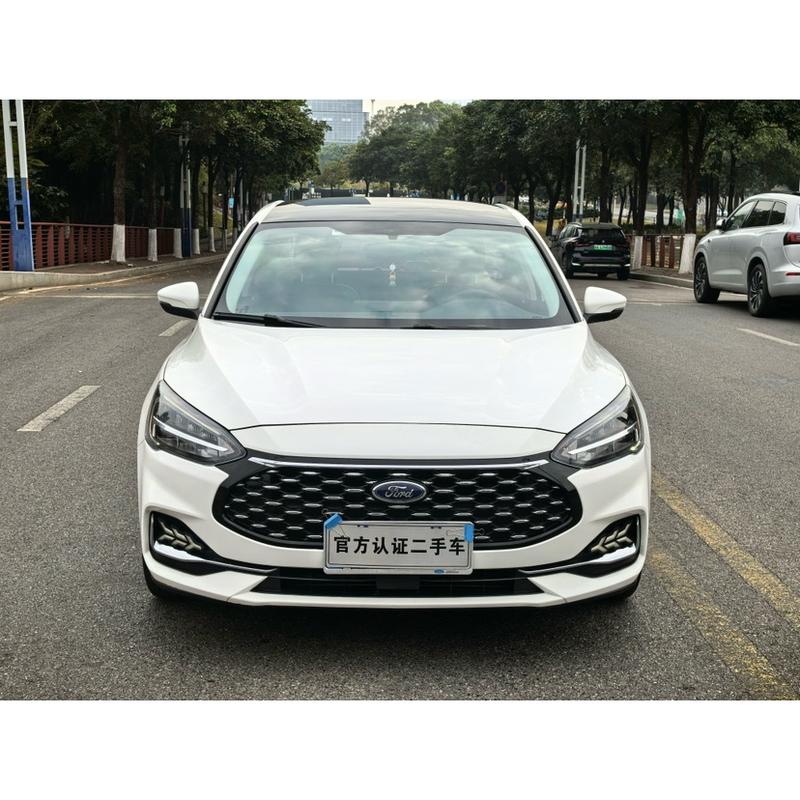
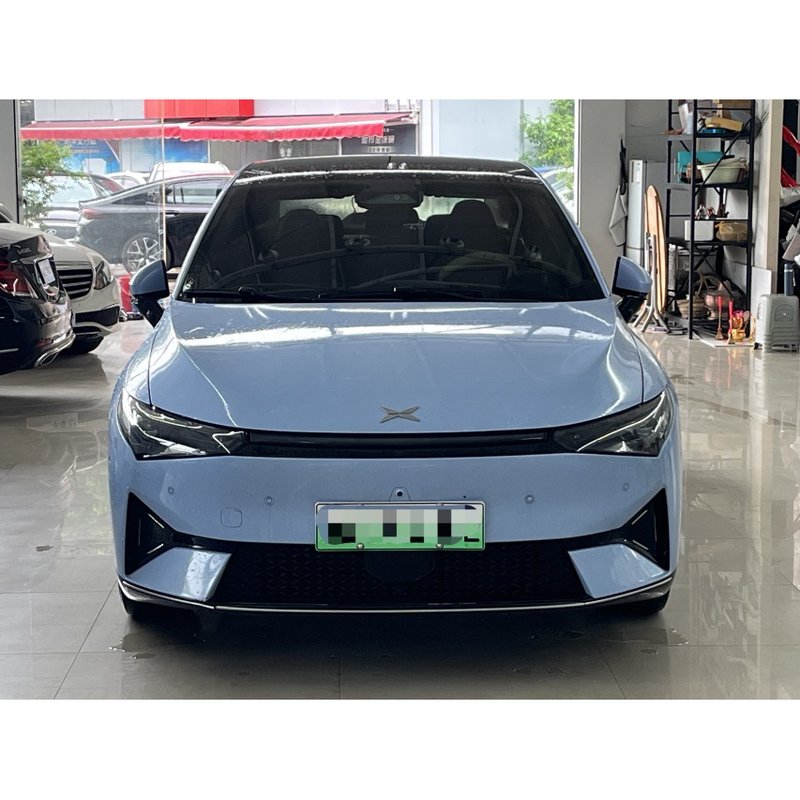
The market for certified pre owned AWD vehicles has grown significantly in recent years, particularly among consumers who seek reliability combined with performance. While shopping for these vehicles, it is crucial to consider the condition of the electric vehicle (EV) batteries, which play an essential role in overall vehicle performance and longevity. As an EV battery engineer, I have seen how battery health can directly influence the driving experience and the vehicle’s resale value. When evaluating certified pre owned AWD vehicles, understanding how used electric vehicle batteries are tested can provide a level of assurance that enhances buyer confidence.
Battery Health Assessment
The first step in evaluating used electric vehicle batteries is a thorough health assessment, which includes a variety of tests designed to determine the current state of the battery. This assessment typically involves examining the battery’s voltage, temperature, and internal resistance. A well-maintained battery should exhibit minimal voltage drop and maintain a consistent temperature during operation. If the battery shows unusual signs, such as high internal resistance or significant voltage drop during discharge, it could indicate underlying issues that could affect performance. In the context of certified pre owned AWD vehicles, ensuring that the battery health is up to standard can prevent unexpected failures and costly repairs down the line.
Remaining Capacity Evaluation
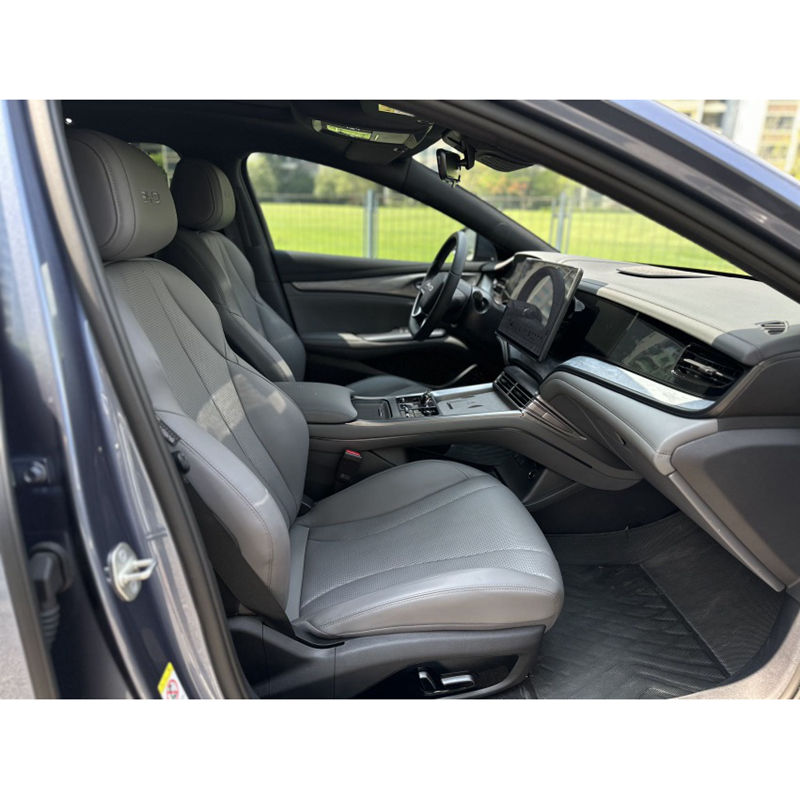
Remaining capacity is another critical factor in battery performance. This metric indicates how much charge the battery can hold compared to its original capacity when new. Over time, lithium-ion batteries, commonly used in electric vehicles, can degrade and lose their ability to retain charge. Testing for remaining capacity involves charging the battery to its maximum level and then discharging it to gauge how much energy it can deliver. For certified pre owned AWD vehicles, a battery that retains over 70% of its original capacity is ideal and indicates a healthy battery. Buyers should always inquire about the remaining capacity as it directly impacts the vehicle’s range and usability.
Charging Performance Assessment
The charging performance of an electric vehicle’s battery is equally important as it directly affects the convenience of ownership. A professional evaluation will test how efficiently the battery can accept a charge, whether it be from a standard home charger or a high-speed charging station. The charging time should ideally align with manufacturer specifications. If the vehicle requires significantly longer to charge than expected, it could indicate issues with the battery management system or the battery itself. This assessment ensures that buyers of certified pre owned AWD vehicles are not left with a battery that takes an inordinate amount of time to charge, thus enhancing their overall driving experience.

Safety Inspections
Safety is paramount when considering certified pre owned vehicles, particularly with electric vehicles which carry unique safety concerns related to their batteries. During the inspection process, the battery’s physical condition is examined for any signs of damage, corrosion, or leaks. Furthermore, safety inspections typically include checking the battery’s fuses and wiring to ensure there are no risks that could lead to short circuits or fires. An EV battery engineer plays a vital role in conducting these safety inspections, ensuring that potential hazards are identified and rectified before a vehicle is put up for sale. A comprehensive safety inspection provides peace of mind to buyers, affirming that the certified pre owned AWD vehicle is safe for everyday use.
Long-Term Reliability Considerations
Evaluating the long-term reliability of an electric vehicle’s battery involves analysing data from its previous usage, including charge cycles and discharge patterns. A battery with a well-documented history of responsible usage is likely to provide better longevity than one with a turbulent past. This is where the importance of certification comes into play; certified pre owned AWD vehicles are often subjected to stringent testing protocols and documentation processes that highlight their reliability. Buyers should seek out vehicles that come with records of battery maintenance and any necessary repairs. Long-term reliability is a significant factor for anyone considering the investment in a certified pre owned vehicle, as it influences both the vehicle’s lifespan and resale value.