

Defining Certified Used Vehicles
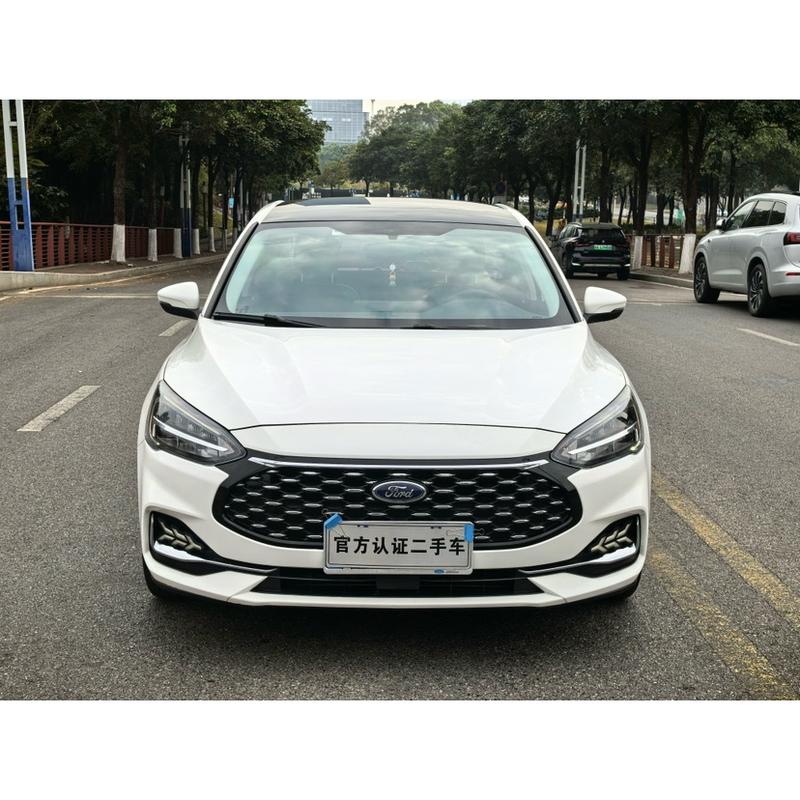
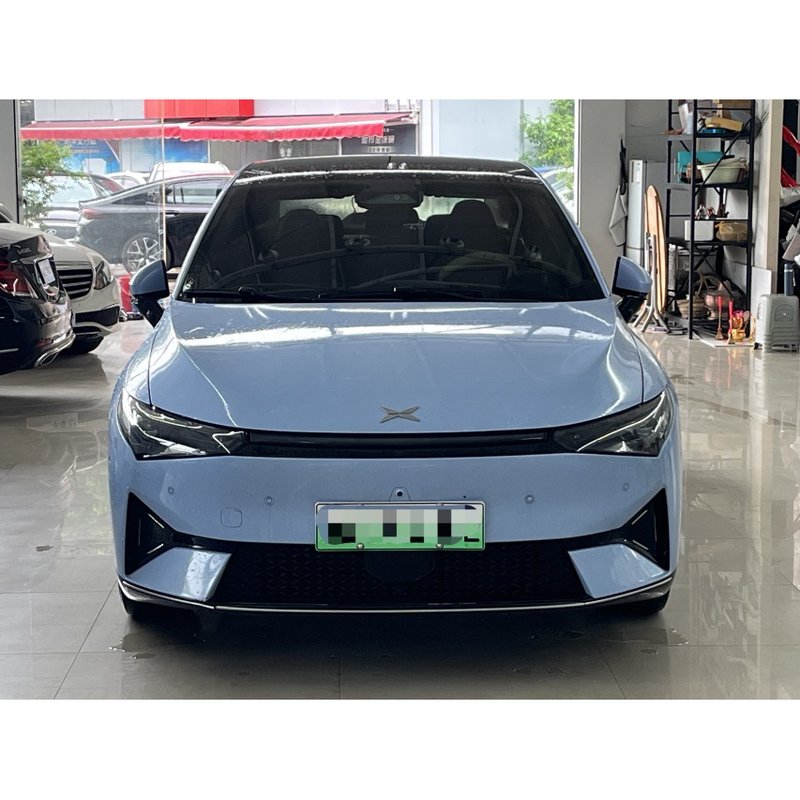
A certified used vehicle typically refers to a pre-owned car that has undergone a rigorous inspection process, ensuring it meets specific quality and performance standards set by manufacturers or certified dealers. This certification often includes an extensive checklist covering the vehicle’s mechanical and cosmetic condition, along with a limited warranty. The aim is to provide potential buyers with peace of mind, knowing the vehicle has been thoroughly assessed and is less likely to present unexpected issues shortly after purchase.
The importance of certified used vehicles cannot be overstated. They represent a blend of value and reliability, particularly appealing to buyers wary of the pitfalls associated with purchasing a standard used car. As the global automotive market sees a surge in demand for used vehicles, understanding what a certified used vehicle means provides insights into consumer preferences and purchasing behaviours.
Global Demand for Chinese Used Cars
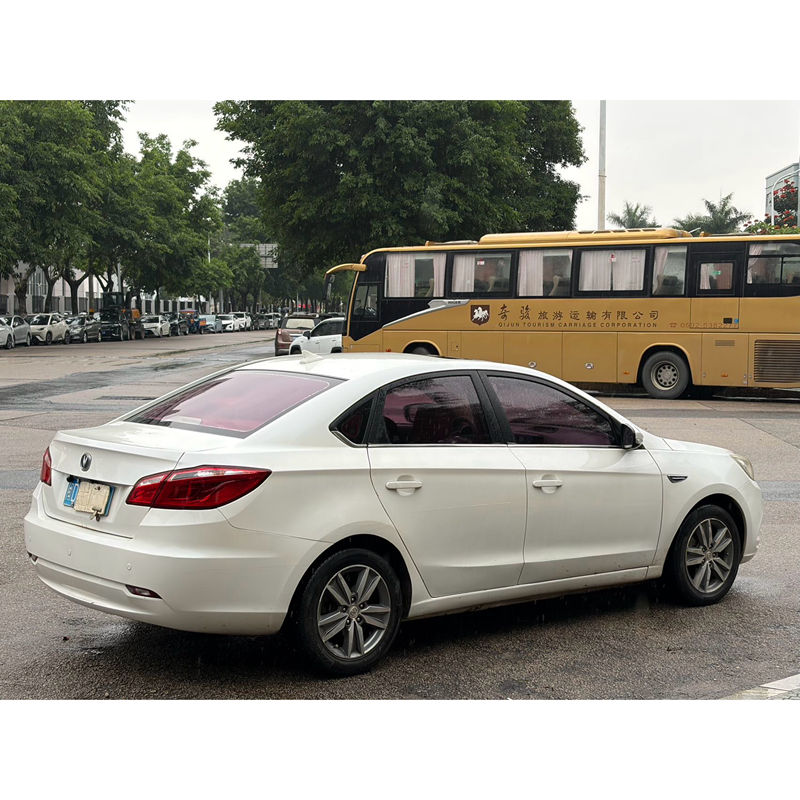
In recent years, the international demand for Chinese used cars has witnessed significant growth, largely driven by their competitive pricing and the increasing quality of manufacturing. Factors such as the booming SUV segment, the rise of electric vehicles, and the demand for luxury models have all contributed to this trend. Countries in Southeast Asia and Africa are particularly keen on affordable used vehicles that possess modern features, which Chinese manufacturers are increasingly able to provide.
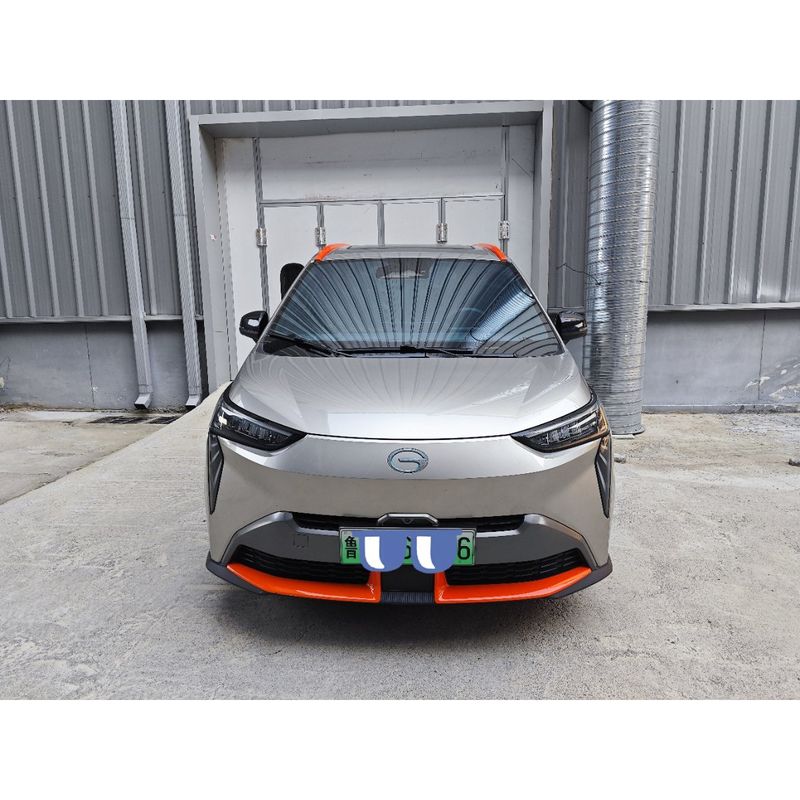
A notable segment within this demand is the burgeoning market for electric vehicles, which is gaining traction in Europe and North America. As these regions push for greener alternatives, used electric vehicles, especially those certified, have become highly sought after. Buyers are more inclined to trust vehicles that come with certification; this is particularly true for electric models, where battery performance and longevity are critical concerns.
Regional Preferences and Popular Models
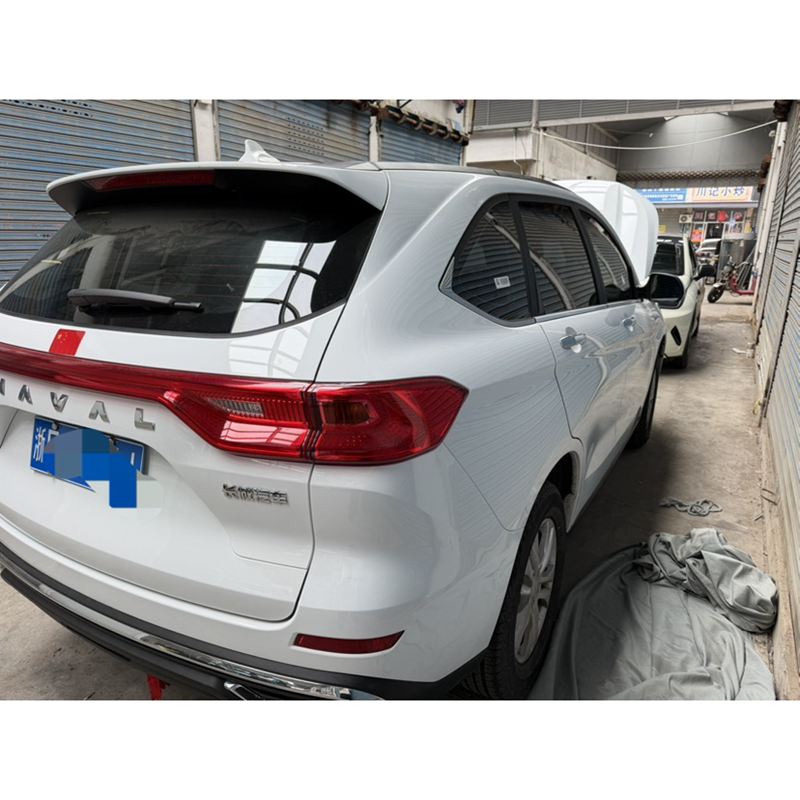
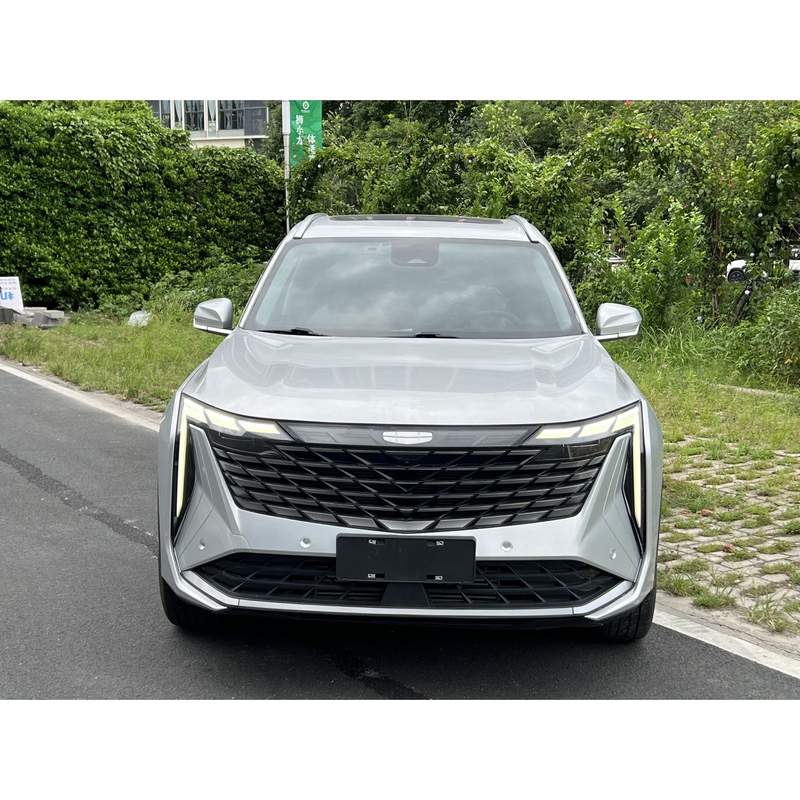
The preferences for used vehicles can vary significantly by region, influenced by factors such as climate, economic conditions, and cultural nuances. For instance, in Europe, there’s a notable preference for compact cars and eco-friendly models, while in the United States, larger vehicles, including SUVs and trucks, dominate the market. As a result, models such as the Changan CS75 and the Geely Boyue have gained popularity in various markets due to their competitive edge and certification, making them appealing to buyers seeking quality and reliability.
Luxury cars, particularly from brands like BMW and Audi, also show strong demand in international markets. These vehicles often come with a more extensive certification process, which reassures buyers of their quality and resale value. The luxury used car market continues to grow as consumers seek high-end features at a more accessible price point.
The Role of Certification in International Sales
Certification plays a pivotal role in the international used car sales process. It not only enhances the perceived value of a vehicle but also serves as a marketing tool for sellers aiming to differentiate their offerings in a crowded marketplace. The certified label can expedite the decision-making process for potential buyers who are increasingly informed and cautious about their purchases. For example, an overseas dealer development manager must emphasize certification when promoting Chinese used cars to international buyers to build trust and confidence in the brand.
Furthermore, the certification process often aligns with necessary compliance standards in various markets, making it easier for vehicles to clear customs and regulatory checks. This is particularly beneficial for foreign trade export specialists and automotive logistics coordinators, ensuring a smoother transition from the seller to the international market.
Customer Perceptions and the Future of Certified Vehicles
As consumers become more knowledgeable about their options, the perception of certified used vehicles continues to shift positively. Buyers are increasingly inclined to consider certified options due to the assurance of quality and service that accompanies them. This trend is expected to persist, especially with the rising emphasis on sustainability and efficient vehicle performance. Additionally, customer service managers are now prioritising the certification process as a key selling point in their marketing strategies, recognising its importance in influencing customer decisions.
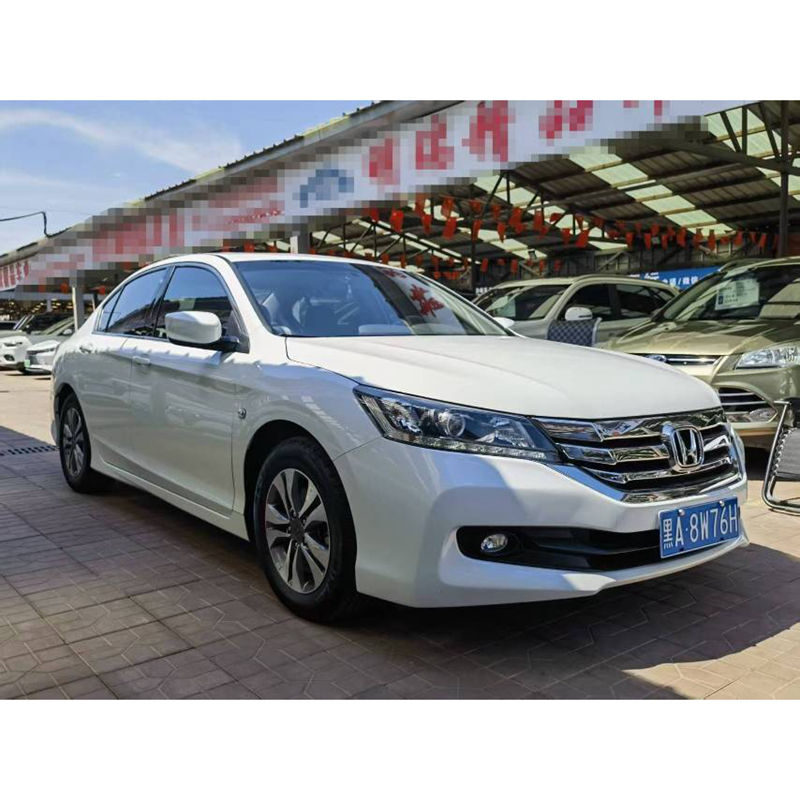
Looking ahead, the importance of certified used vehicles in the automotive market is likely to increase, particularly as manufacturers innovate and expand their offerings in electric and hybrid segments. The blending of quality assurance with advancements in automotive technology will cater to a growing audience that seeks not only affordability but also reliability and sustainability in their vehicle choices. The demand for these vehicles will shape the global used car landscape, reflecting shifting consumer priorities.