
Evaluating the Market for Used Cars
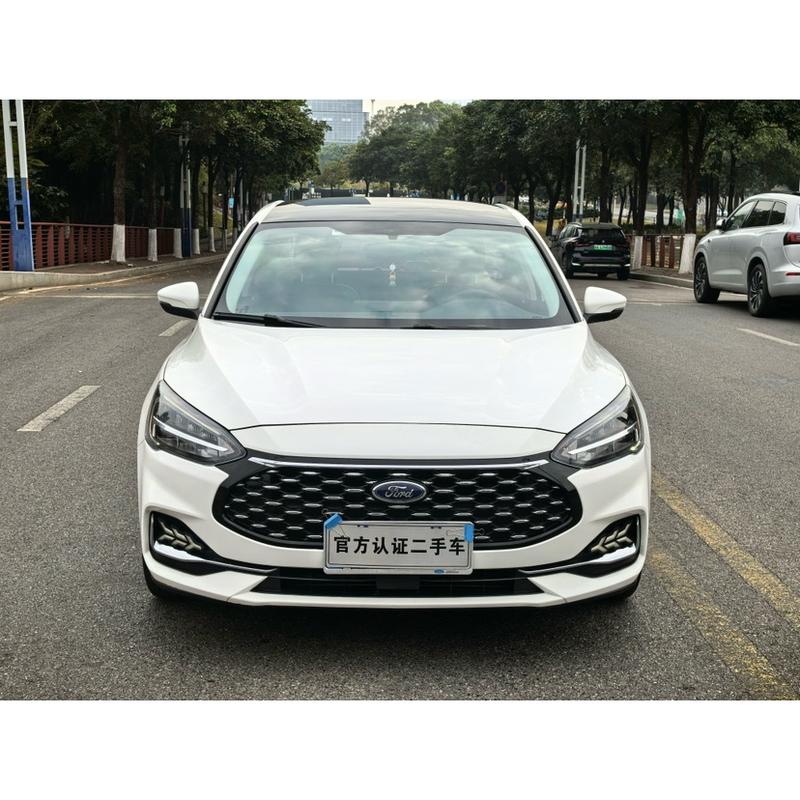
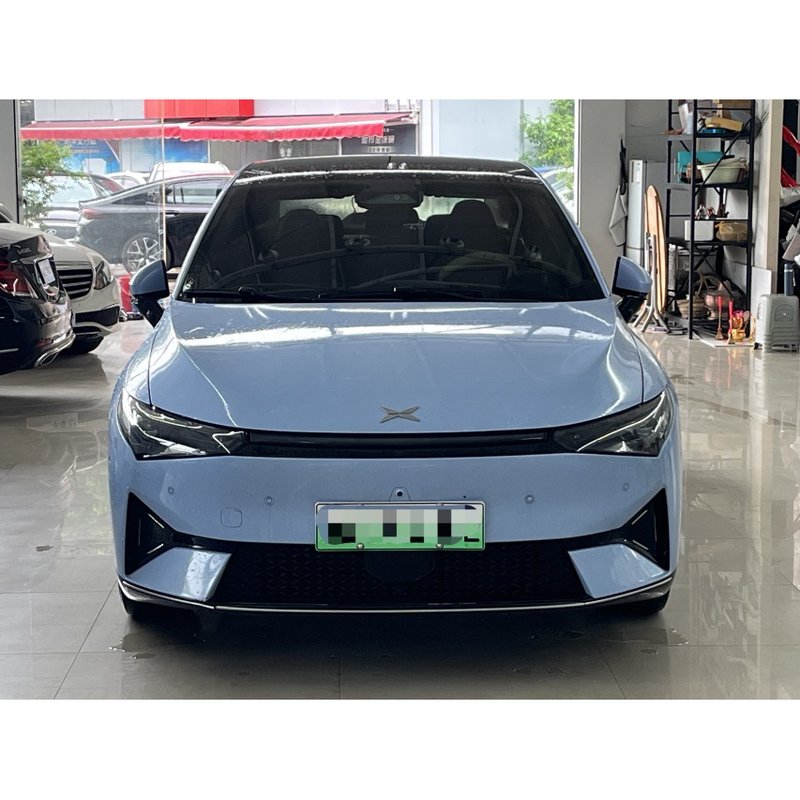
When considering the lowest second hand car, it is essential to start with a thorough evaluation of the market, particularly if you are an overseas dealer importing from China. Analysing market trends will help you identify popular models and price ranges that are currently in demand in your target markets. By observing the fluctuations in vehicle prices and understanding which makes and models are sought after, you can position yourself to acquire inventory that will not only sell quickly but also provide excellent margins.
A comprehensive market analysis should include insights into competitor pricing, inventory turnover rates, and consumer preferences. Attending trade shows and automotive expos can also offer valuable networking opportunities and firsthand information on emerging trends in the used car sector. Such efforts will ensure that you are well-informed and can make strategic decisions that align with the preferences of your customer base.
Key Strategies for Selecting Vehicles
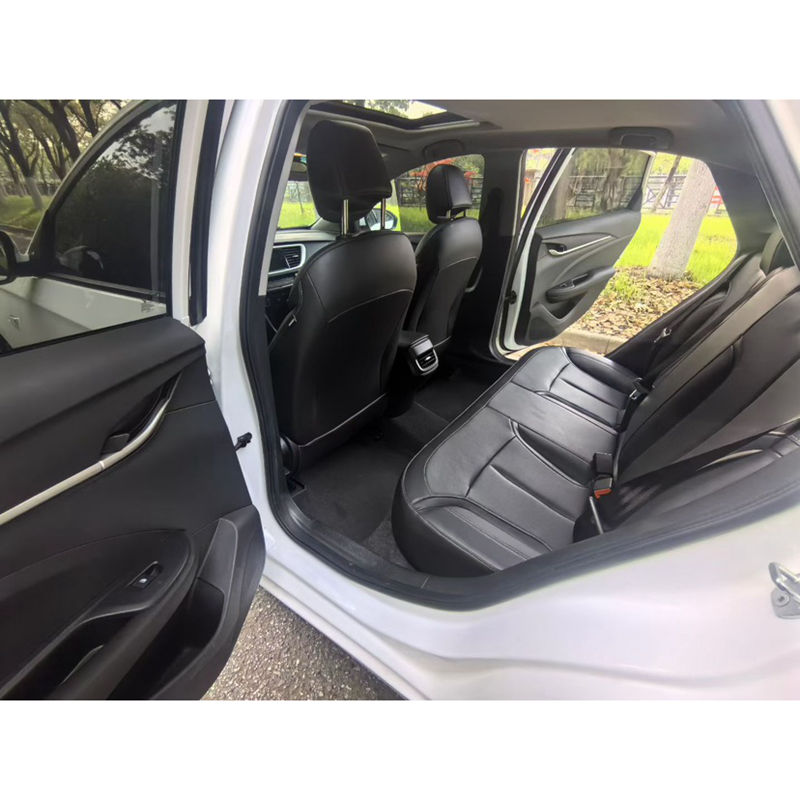
Choosing the lowest second hand car that offers better value involves more than just picking the cheapest option available. Prioritise quality by focusing on vehicles that have strong resale potential and positive reviews. Researching the reliability and performance history of various makes and models can provide vital information that helps in selection. Vehicles with a solid reputation for durability and low maintenance costs are often more appealing to customers and can lead to repeat business.
Incorporating technology such as data analytics can enhance your selection process. By analysing past sales data and customer feedback, you can identify which vehicles generated the most interest and converted into sales. This approach not only mitigates the risk of purchasing undesirable inventory but also elevates your position as a knowledgeable dealer who understands market dynamics.
Effective Inventory Planning
Inventory planning plays a pivotal role in ensuring that the lowest second hand car aligns with your business goals. Establishing an optimal inventory level helps to balance supply and demand while minimising storage costs. Implementing a just-in-time inventory system can be beneficial, particularly for dealers focused on importing used cars from China. This strategy helps to reduce holding costs, as vehicles are shipped only when there is verified demand.
Also consider diversifying your inventory by including vehicles across different segments, such as economy, luxury, and utility cars. This strategy not only attracts a broader customer base but also hedges against market fluctuations that might affect specific categories. Additionally, maintaining a healthy turnover rate ensures that you are consistently adapting to changing market conditions and customer preferences.
Cost Management Techniques
Managing costs effectively is a crucial component of securing the lowest second hand car while maintaining quality. Start by negotiating favourable terms with suppliers in China, which can include bulk purchasing discounts or favourable shipping rates. Understanding the total landed cost, comprising transportation, customs duties, and any necessary modifications or maintenance, will provide a clearer picture of your expenses and help you set competitive pricing.
Utilising technology for cost tracking and management can streamline your operations. Software solutions can provide real-time insights into your expenditure, allowing for better budgeting and forecasting. Additionally, consider establishing relationships with local automotive repair shops for cost-effective maintenance and refurbishment of your vehicles before resale, enhancing their overall value.
Building Relationships with Dealers
Establishing strong relationships with other dealers in the industry can provide significant advantages. Networking with established businesses can lead to collaborative purchasing arrangements or knowledge sharing that enhances all parties’ operations. Participating in dealer associations or online forums can also facilitate connections that might lead to better sourcing opportunities or shared insights on market trends.
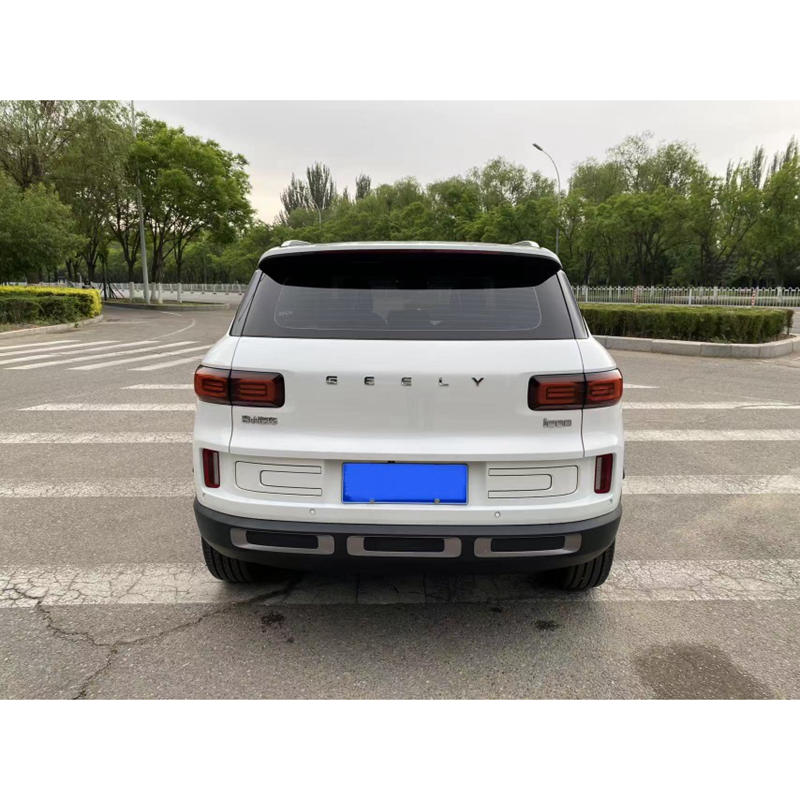
Moreover, developing a reputation as a reliable dealer can foster trust and encourage repeat business. Excellent customer service, transparent communication, and a commitment to quality will set you apart from competitors. Dealers who can demonstrate their value to customers through consistent reliability are likely to achieve long-term success in the used car export industry.
Adapting to Changing Regulations
Staying informed about the evolving regulatory landscape is essential for any overseas dealer in the used car market. Different countries have specific import regulations, emission standards, and safety requirements that must be adhered to in order to avoid fines or rejections at customs. Regularly reviewing these regulations and ensuring compliance not only protects your business but also improves your reputation among customers and partners.
Keeping abreast of new legislation related to used vehicles, particularly those concerning environmental impacts, can also help you adjust your inventory to meet changing consumer expectations. With the growing focus on sustainability, having electric or hybrid vehicles in your inventory can enhance your market appeal while adhering to regulatory demands.


