

The Secondary Market for Cars Explained
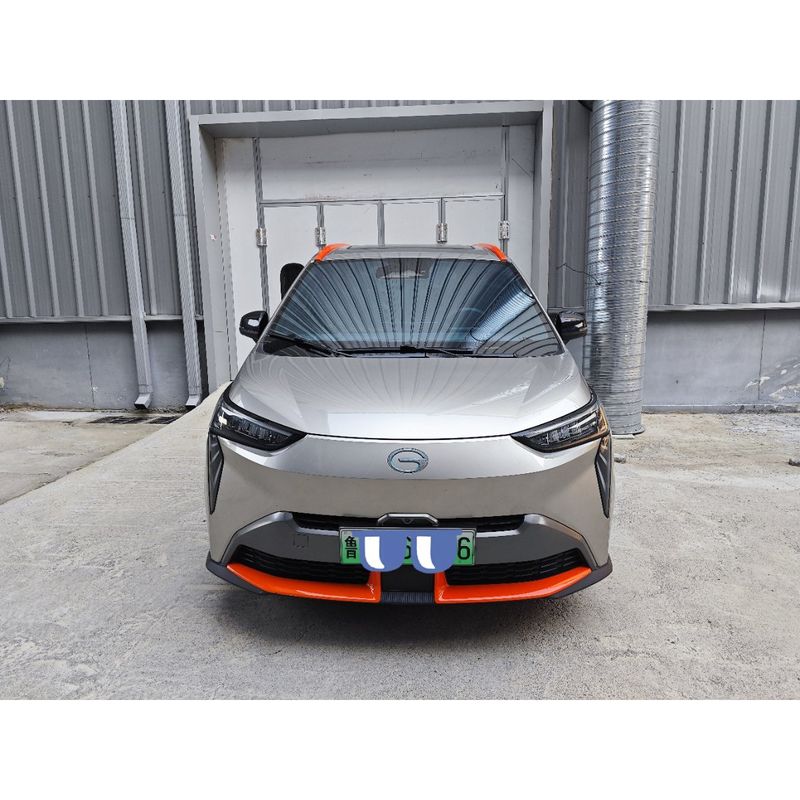
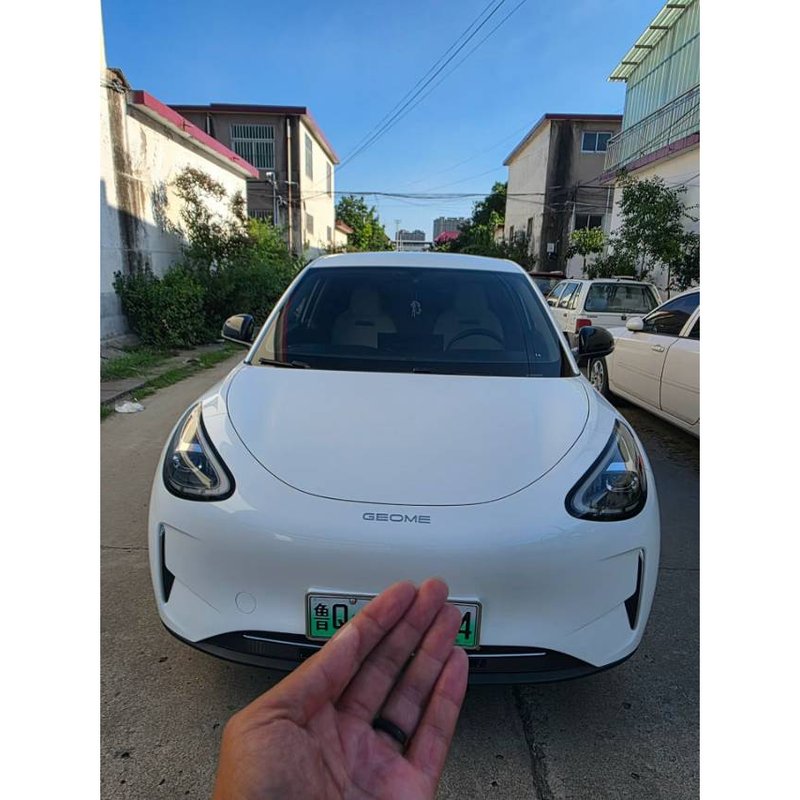
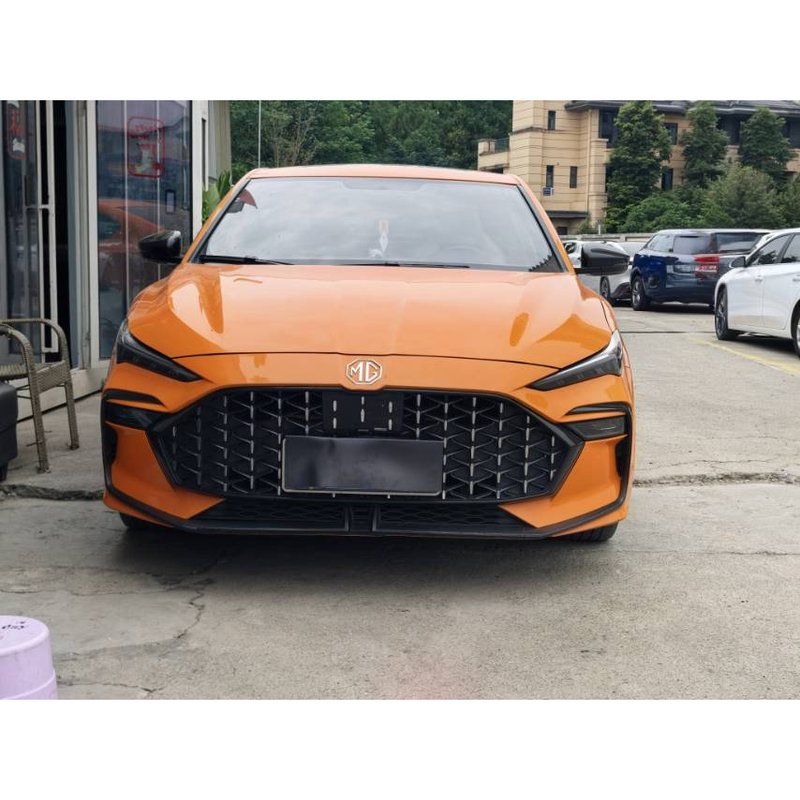
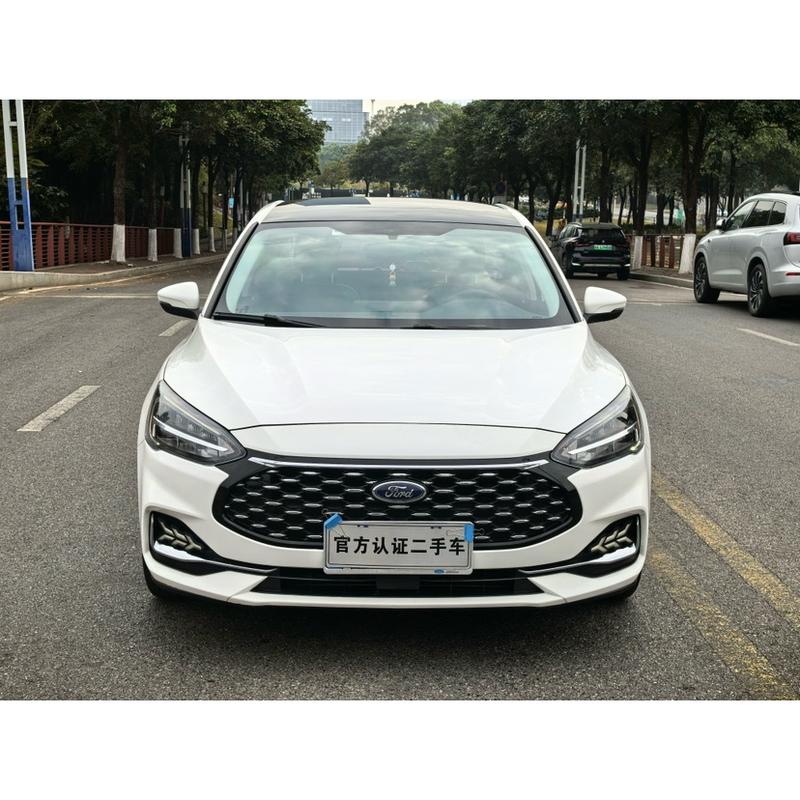
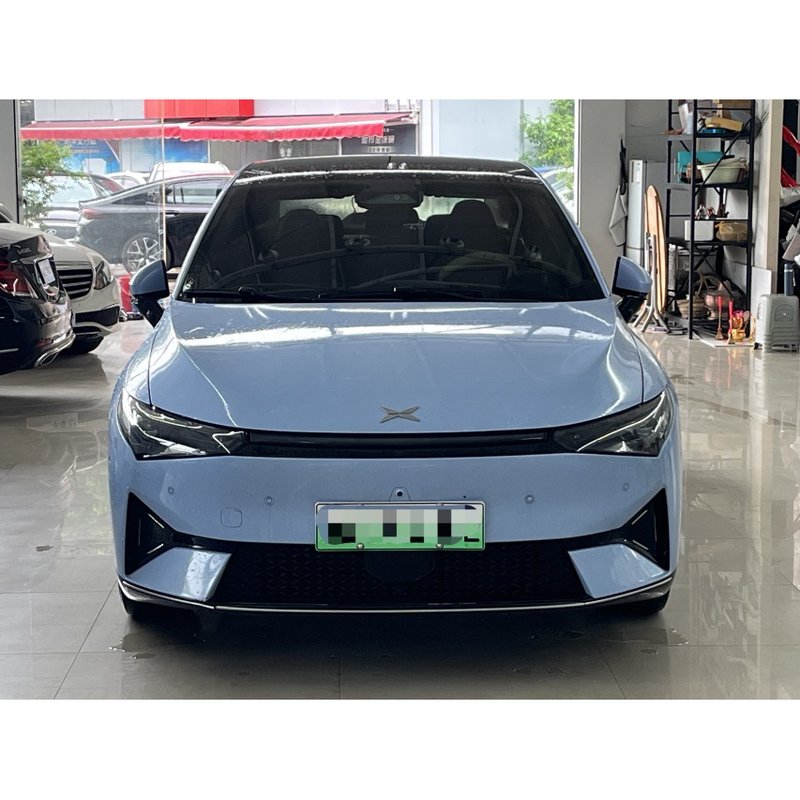
The secondary market for cars is a dynamic arena where used vehicles are bought and sold after their initial sale. For many international buyers, particularly those looking to source quality used cars from China, this market offers a plethora of opportunities. The appeal of the secondary market lies not only in the affordability of vehicles but also in the variety available. In China, the rapid expansion of the automotive sector has led to a substantial increase in the number of vehicles entering the secondary market, catering to an ever-growing demand from overseas buyers.
For businesses engaged in the automotive trade, understanding the secondary market is essential. This market provides access to a wide range of vehicles, from budget-friendly options to more premium selections, allowing B2B buyers to cater to diverse customer preferences. The Chinese used car market, renowned for its quality and competitive pricing, is becoming increasingly attractive to international buyers seeking profitable business ventures.
Factors Influencing the Secondary Market
Several factors impact the secondary market for cars, making it crucial for buyers to stay informed. Economic conditions, consumer preferences, and technological advancements all play significant roles in shaping market trends. As more consumers shift towards environmentally-friendly vehicles, the demand for electric and hybrid models has surged, influencing resale values and availability in the secondary market.
Moreover, the depreciation rate of cars varies by make and model, affecting their market value. In the Chinese context, brands like Geely and BYD have gained traction in international markets, contributing to a healthy resale market. B2B buyers should focus on these growing brands, considering them a solid investment for resale purposes in their respective regions.
Sourcing Used Cars from China
Sourcing used cars from China involves navigating various channels, each offering distinct advantages. Wholesalers and exporters play a pivotal role by providing a platform for international buyers to access quality vehicles at competitive prices. With the rise of online platforms and virtual auctions, sourcing has become more streamlined, allowing buyers to view extensive inventories and make informed decisions.
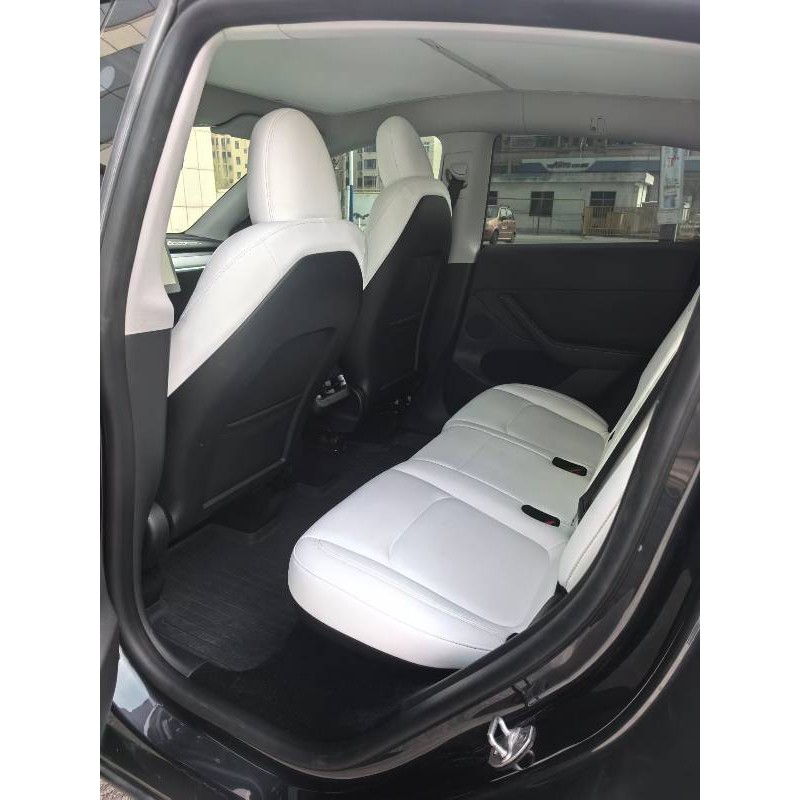
Additionally, it is paramount for buyers to conduct thorough inspections and obtain detailed vehicle histories before making purchases. This approach mitigates risks and ensures that the vehicles meet quality standards. Establishing strong relationships with trusted suppliers can further enhance the sourcing process, leading to better pricing and availability.
Challenges in the Secondary Market
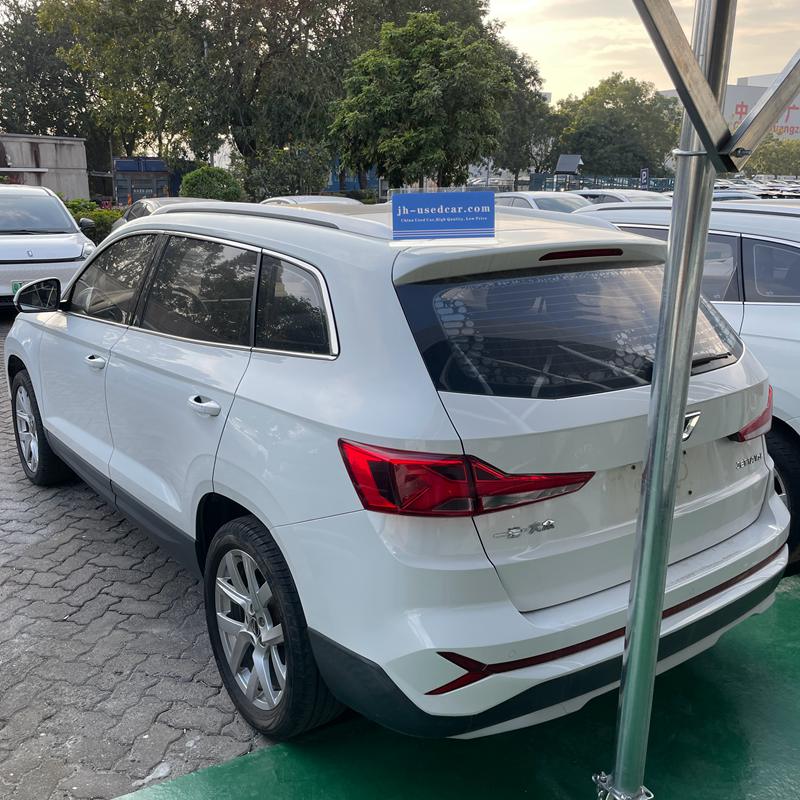
Moreover, buyers must be aware of the legal requirements involved in importing vehicles from China. Understanding customs regulations and ensuring compliance with all necessary documentation is crucial to avoid delays and additional costs. Knowledgeable buyers who invest the time to grasp these complexities will find themselves in a stronger position to capitalise on the burgeoning secondary market.
The Future of the Secondary Market for Cars
The future of the secondary market for cars looks promising, particularly for those involved in international trade. As the automotive landscape continues to evolve, the demand for used vehicles, especially from reputable manufacturers, is expected to grow. Innovations in technology, such as enhanced online platforms and improved inspection processes, will further facilitate transactions, making it easier for B2B buyers to navigate the market efficiently.
Moreover, the increasing focus on sustainability and eco-friendliness will likely drive demand for used electric and hybrid vehicles. This shift offers a unique opportunity for international buyers to tap into emerging trends, providing them with a competitive edge. By staying ahead of market developments and aligning their sourcing strategies with consumer demands, businesses can thrive within the secondary market for cars in the years to come.


