

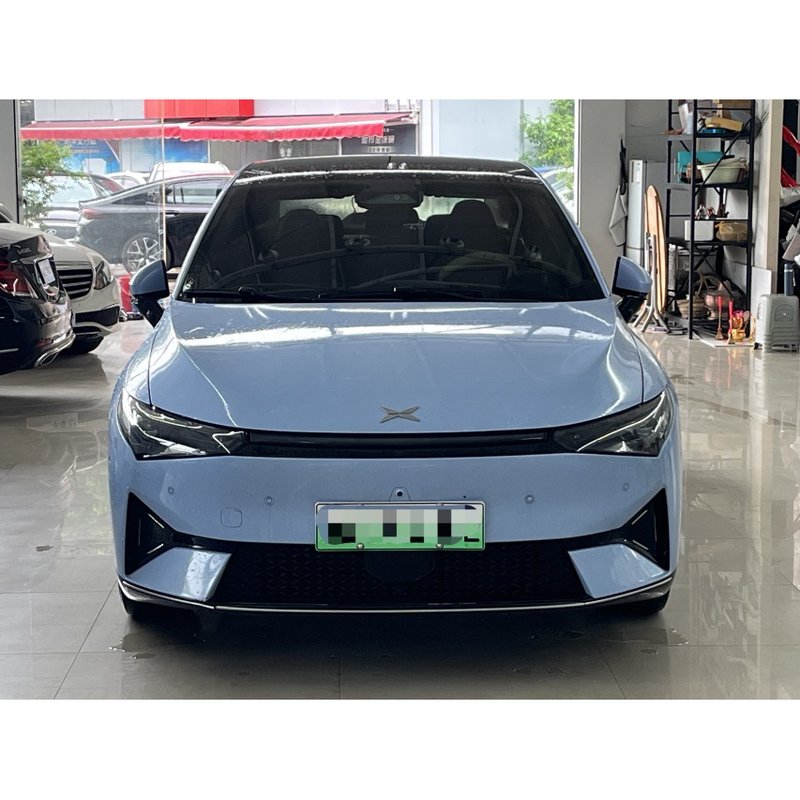
Understanding Certified Pre-Owned Vehicles
In the bustling market of used cars, the term ‘certified pre-owned’ often surfaces, creating a buzz among discerning buyers. These vehicles come with a seal of approval from manufacturers or dealers, indicating that they have undergone rigorous inspections and meet specific quality standards. For B2B buyers, especially those dealing in the international marketplace, understanding the nuances of certified pre-owned vehicles can be pivotal in ensuring both quality and customer satisfaction.
The global demand for quality cars has seen an upward trajectory, with Chinese used cars emerging as a significant player in this space. International buyers are increasingly recognising the value of well-maintained vehicles from reputable sources, making it essential to grasp how to find a certified pre-owned car that aligns with market expectations.
Researching Reputable Sources
The first step in finding a certified pre-owned car involves extensive research. Buyers should identify reliable dealerships or online platforms that specialise in certified pre-owned vehicles. Established platforms, such as jh-usedcar.com, not only provide a vast inventory but also offer insights into the certification process, warranty options, and after-sales service.
When exploring options, it is crucial to look for dealers with a proven track record. Buyer reviews, testimonials, and ratings can provide valuable insight into the reliability of a dealer. This research phase sets the foundation for a successful purchase, ensuring that buyers are not just acquiring a vehicle, but also investing in peace of mind.
Inspecting the Vehicle History
Once a reputable source is identified, the next step is to delve into the vehicle’s history. A comprehensive vehicle history report is indispensable for understanding the car’s past. This report typically includes information about previous ownership, accident history, and any outstanding recalls. Armed with this information, buyers can make informed decisions about the vehicle’s reliability.
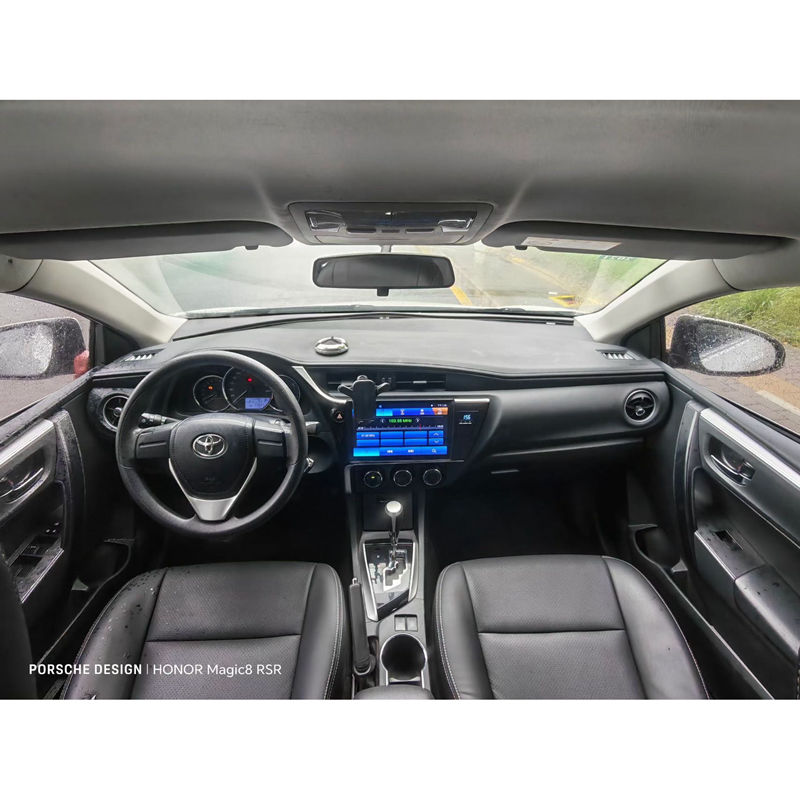
Evaluating Certification Standards

Test Driving the Vehicle
Once potential candidates have been narrowed down, arranging a test drive is a vital step in the process. This hands-on experience allows buyers to evaluate the vehicle’s performance and comfort level. During the test drive, aspects such as handling, braking, and overall driving experience can be assessed, which are crucial for ensuring that the vehicle meets the required standards.